Better Lunch Options Than a Boring Desk Salad
I spent most of my childhood watching my mom try to navigate the chaos of a tight budget and a ticking clock, usually trying to figure out what to do with whatever was left in the fridge. Growing up, I realized early on that if you don’t have a plan for your midday meal, you end up either spending twenty bucks on a mediocre takeout bowl or skipping food entirely until you’re too tired to function. We’ve all been there—staring at a half-empty pantry at 12:15 PM, feeling that decision fatigue set in. Finding actual quick lunch ideas shouldn’t feel like a second job, but most of the advice out there is either way too complicated or just plain unhealthy.
I’m not interested in recipes that require a grocery haul and an hour of prep work. Instead, I want to show you how to build a repeatable system using five specific staples that prioritize both your time and your wallet. I’m going to walk you through five ways to assemble a decent meal in under five minutes, focusing on low-effort fuel that keeps your brain sharp without ruining your flow. Let’s get your lunch situation sorted so you can stop thinking about it and get back to what actually matters.
Table of Contents
The Grain Bowl Assembly Line
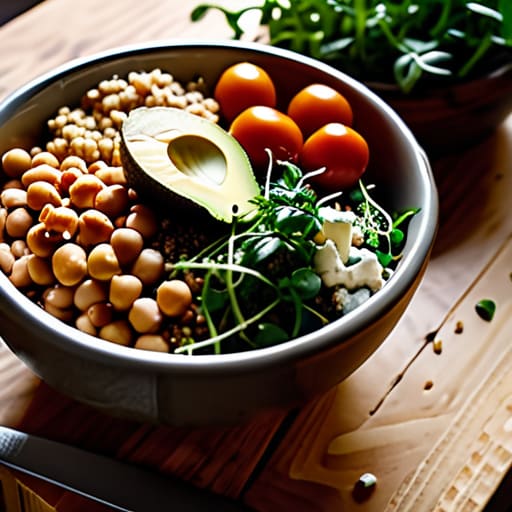
Most people fail at meal prepping because they try to cook elaborate recipes on Sunday that they end up hating by Wednesday. Instead, I treat my lunch like an urban planning project: I build a modular system. I cook one big batch of a sturdy grain, like farro or quinoa, and keep it in a glass container in the fridge. Then, I just grab a handful of that grain, toss in some canned chickpeas, a handful of arugula, and whatever feta or nuts I have lying around.
The High-Protein Toast Upgrade
If you’re working from home or have a desk nearby, sometimes you don’t even want to deal with Tupperware. In those moments, I lean on the “elevated toast” method. This isn’t your childhood jam on white bread; we’re talking about thick-cut sourdough topped with smashed avocado, a soft-boiled egg, and a heavy sprinkle of red pepper flakes. It’s minimalist utility at its finest—low effort, high nutritional density.
The Cold Noodle Reset
When the weather gets warm or I’m feeling particularly unmotivated to stand over a stove, I go for cold peanut noodles. You can use any pasta shape that’s left over in the pantry, or better yet, some soba noodles. The “sauce” is just a quick whisk of peanut butter, soy sauce, a splash of lime, and some sriracha. You can prep the sauce in a small jar and keep it in the fridge for a week.
The Adult Lunchable
I grew up seeing my mom stretch a budget, and one thing I learned is that “real food” doesn’t always have to be hot. The “Adult Lunchable”—or a heavy charcuterie plate—is my go-to when I have zero time to clean a pan. I grab some high-quality deli turkey or ham, a few slices of sharp cheddar, some almonds, and a handful of grapes or apple slices. It’s essentially a deconstructed sandwich that requires no bread-toasting or assembly.
The One-Pan Quesadilla Strategy
If you actually want something warm but don’t want to spend forty minutes cleaning up, the quesadilla is your best friend. I don’t do the complicated, multi-ingredient versions. I just take a tortilla, throw on some shredded rotisserie chicken (which is a lifesaver for anyone on a budget), and a generous amount of cheese. I keep a bag of frozen corn or black beans in the freezer to toss in for some extra fiber and bulk.
The Goal is Consistency, Not Perfection
At the end of the day, these five ideas aren’t about becoming a gourmet chef or spending your entire Sunday meal prepping in a kitchen that feels like a laboratory. It’s about having a reliable fallback when your brain is fried from work and the temptation to spend fifteen dollars on a mediocre delivery sandwich hits hard. Whether you’re leaning on the assembly-line simplicity of a grain bowl or the zero-effort utility of a high-quality wrap, the objective is the same: fuel your body without draining your bank account or your mental bandwidth. Pick one of these systems, test it out this week, and see if it actually fits into your flow.
I used to think that being “productive” meant optimizing every single second of my day, but I’ve learned that true productivity is just about reducing friction. If your lunch setup is too complicated, you won’t do it, and then you’re left feeling sluggish and broke. Don’t aim for the perfect meal; aim for a system that works so well you don’t even have to think about it. Build these small, repeatable wins into your routine, and you’ll find you have a lot more energy left over for the things that actually matter.
Frequently Asked Questions
How do I prep these without spending my entire Sunday in the kitchen?
The trick is to stop “meal prepping” and start “component prepping.” Don’t cook five identical Tupperware containers of chicken and broccoli; that’s a recipe for burnout. Instead, spend 40 minutes on Sunday prepping individual building blocks: roast a tray of veggies, boil a batch of eggs, or cook a big pot of grains. When Tuesday hits, you’re just assembling, not cooking. It’s about reducing friction, not turning your kitchen into a factory.
What’s the best way to keep these meals from getting soggy by Wednesday?
The secret is separation. If you’re mixing dressing or wet ingredients directly into your base on Sunday, you’ve already lost. Use small, reusable glass containers or even just a bit of parchment paper to keep the “wet” stuff away from the “dry” stuff. If you’re doing a grain bowl, keep the greens in a separate baggie or on top of the grains—don’t let them sit in the moisture. Keep it modular.
Can I adapt these ideas if I don't have access to a microwave at work?
Absolutely. In fact, some of my best lunch systems are built around the “no-heat” rule. If you’re stuck without a microwave, stop trying to force leftovers that turn into cold, sad mush. Instead, pivot to high-quality assembly meals: hearty grain salads, wraps with dense proteins, or even a well-constructed charcuterie box. The goal is satiety without the steam. Just pack a way to keep things fresh, and you’re good to go.