The Ultimate Guide to Weekly Meal Prepping
I used to think that learning how to meal prep meant spending my entire Sunday afternoon hunched over a kitchen island, surrounded by twenty identical plastic containers and enough kale to feed a small village. I saw those “aesthetic” prep videos online—the ones with the perfectly color-coded veggies and the expensive glass jars—and honestly, they just felt like another chore added to an already overflowing week. For someone like me, who grew up having to make a single bag of groceries stretch across six days, that kind of performative cooking felt wasteful and, frankly, exhausting.
I’m not here to teach you how to turn your kitchen into a high-end production studio. Instead, I want to show you how to build a functional food system that actually respects your time and your bank account. We’re going to focus on small, repeatable wins—like batch-cooking versatile components rather than rigid, boring recipes—so you can stop staring at an empty fridge at 7:00 PM. This isn’t about perfection; it’s about creating a sustainable rhythm that keeps you fed without hijacking your entire weekend.
Table of Contents
Smart Weekly Meal Planning Tips That Save Your Sanity
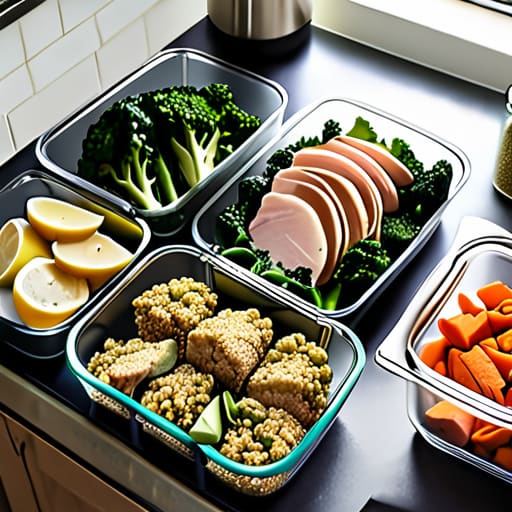
First, stop trying to plan twenty different recipes. That’s a one-way ticket to burnout and a fridge full of wasted produce. Instead, I use a “component-based” approach. I pick two proteins, two grains, and three versatile vegetables. By using simple batch cooking techniques, I can mix and match these throughout the week so I’m not eating the exact same bowl of mush five days in a row. It’s about building a modular system, not a rigid menu.
Second, let’s talk about the gear. Don’t go overboard buying a dozen different plastic bins that take up your entire cabinet. Invest in a few high-quality, glass meal prep containers for storage that actually seal tight and can go from the fridge to the microwave without leaching chemicals. If the container is easy to clean and stackable, you’re much more likely to actually use it.
Finally, keep your grocery list tied to what you already have in your pantry. This is the easiest way to stick to budget friendly meal prep without feeling like you’re constantly sacrificing quality for cost. Check your staples before you head out; it saves money and prevents that mid-week panic buy.
Budget Friendly Meal Prep Ideas for Your Bank Account
The biggest mistake I see people make is thinking that eating well requires a massive grocery haul of organic, niche superfoods. When I was growing up, we didn’t have a “budget” for specialty ingredients; we had a budget for calories that actually kept us full. To make budget friendly meal prep work, you need to lean heavily into the “base ingredient” strategy. Pick two versatile proteins—like dried lentils and chicken thighs—and one massive bag of rice or quinoa. By focusing on these staples, you can pivot flavors throughout the week without buying ten different expensive sauces.
I’m also a huge advocate for using batch cooking techniques to keep costs down. Buying in bulk is the only way to win the math game. Instead of buying individual snack packs, buy the large bag and portion it out yourself into reusable meal prep containers for storage. It takes five minutes of extra work on a Sunday, but it prevents that mid-week impulse buy at the convenience store that eats $15 of your profit every single time. Keep it simple, keep it dense, and stop paying a premium for convenience.
Five Low-Effort Systems to Keep You From Cooking Every Single Night
- Stop cooking individual meals; cook components instead. Roast a massive tray of seasoned vegetables, boil a pot of grains, and prep two different proteins. If you mix and match these throughout the week, you won’t feel like you’re eating the same sad Tupperware leftovers five days in a row.
- Invest in decent, airtight containers. I learned the hard way that cheap plastic lids leak and make everything taste like whatever was in there last week. If your food stays fresh and looks decent, you’re actually going to want to eat it when you’re tired on a Tuesday.
- Use your “dead time” for the heavy lifting. If you’re waiting for a file to upload for work or a pot of water to boil, chop one onion or peel some garlic. It’s not about a massive cooking session; it’s about chipping away at the labor so it doesn’t feel like a chore later.
- Embrace the “Double Batch” rule. Whenever you actually have the energy to make something from scratch—like a chili, a soup, or a sauce—make twice as much as you need. Freeze half immediately. It’s basically an insurance policy for those nights when you’re too drained to even look at a stove.
- Keep a “Emergency Pantry” list. You should always have three things in your cupboard that require zero prep and zero thought—like canned beans, pasta, and jarred pesto. This is your safety net for when your meal prep runs out and you’re staring at your bank account, realizing you can’t afford takeout.
Stop Chasing Perfection, Start Building Systems
At the end of the day, meal prepping isn’t about having twenty identical Tupperware containers lined up in a perfect, Pinterest-worthy row. It’s about the math: less money wasted on takeout, fewer decisions to make when you’re exhausted at 7:00 PM, and a kitchen that actually functions for you. We’ve looked at how to plan without losing your mind, how to keep the grocery bill from spiraling, and how to pick ingredients that actually play well together. If you can master even two of these small shifts, you’ve already outperformed the version of yourself that relies on expensive, unhealthy convenience. Focus on the repeatable wins—the small, boring habits that eventually turn into a lifestyle.
I know it feels like just another chore on an already overflowing list, but remember that the goal isn’t to become a chef; it’s to reclaim your time. You aren’t prepping food to serve a lifestyle; you’re prepping food to serve your life. Every time you prep a batch of grains or chop some veggies ahead of time, you are essentially buying back an hour of your future self’s freedom. Don’t try to overhaul your entire diet by Monday morning. Just pick one thing, get it into a system, and let it work for you. You’ve got this.
Frequently Asked Questions
How do I keep my food from tasting like cardboard by Thursday?
The “cardboard” problem usually happens because you’re overcooking everything on Sunday. If you boil your pasta or roast your veggies until they’re mushy on day one, they’ll be a tragedy by Thursday. Instead, undercook your grains and veggies slightly. Think of it as “par-cooking.” Also, keep your sauces separate. Don’t drown the meal in dressing or gravy until you’re actually ready to eat. Texture is what keeps food feeling alive.
Is it actually worth the time to prep every single meal, or should I just prep the components?
Prep every single meal? No. That’s how you end up with five identical Tupperwares of soggy chicken and broccoli by Wednesday, and honestly, that’s just a recipe for burnout.
What’s the best way to organize my fridge so I don't end up throwing away half my prep by the end of the week?
The secret is visibility. If it’s buried in a crisper drawer, it’s dead. I use clear, stackable glass containers—not cheap plastic—so I can see exactly what’s left at a glance. Group your “ready-to-eat” meals on one eye-level shelf and keep your raw ingredients in the lower zones. Most importantly, use the “First In, First Out” rule. Move the older stuff to the front. If you can’t see it, you won’t eat it.