
Simple Habits to Lower the Sugar in Your Diet
I spent most of my early twenties thinking that “healthy eating” meant buying $14 jars of organic almond butter and spending my entire Sunday meal-prepping elaborate, sugar-free salads that tasted like cardboard. It was exhausting, expensive, and—honestly—completely unsustainable for someone working freelance gigs and trying to keep a tiny apartment in order. Most of the advice out there on how to reduce sugar in your diet feels like it was written for people with unlimited time and a personal chef. They tell you to overhaul your entire pantry overnight, but I’ve learned that radical shifts usually lead to total burnout.
I’m not here to sell you on a lifestyle overhaul or a list of expensive “superfoods.” Instead, I want to share the low-effort, high-impact systems I actually use to keep my energy steady without turning my kitchen into a laboratory. We’re going to focus on small, repeatable wins—like simple pantry swaps and smarter grocery habits—that fit into a busy schedule. My goal is to show you how to cut back without making your life feel like a chore. Let’s keep it simple and functional.
Table of Contents
Spotting Hidden Sugars in Processed Foods Without the Stress
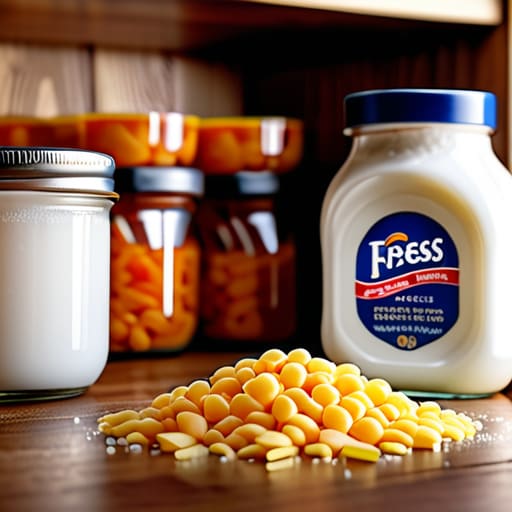
You don’t need to become a chemist to figure out what’s actually in your food. Most of the time, the problem isn’t that you’re eating candy; it’s that the “healthy” yogurt or the savory pasta sauce you grabbed is actually packed with sweeteners. When I first started looking at my own pantry, I realized how much of my energy crashes were caused by hidden sugars in processed foods that I hadn’t even noticed.
The trick isn’t to spend an hour analyzing every single ingredient, but to master the art of reading nutrition labels for sugar in under thirty seconds. Skip the marketing fluff on the front of the box—the “all-natural” or “heart-healthy” claims are usually just there to distract you. Instead, flip it over and look at the actual grams. If a single serving has more sugar than you’d intentionally eat in a sitting, put it back. I keep it simple: if the ingredient list looks like a chemistry textbook or contains words ending in “-ose,” it’s probably a trap. Focus on the actual numbers rather than the promises on the packaging.
Mastering Nutrition Labels for Sugar to Save You Time
You don’t need a degree in biochemistry to figure out what you’re eating; you just need to know where to look. When I’m grocery shopping, I don’t scan every single ingredient list—that’s a recipe for decision fatigue. Instead, I head straight for the “Added Sugars” line on the nutrition facts panel. This is the most efficient way of reading nutrition labels for sugar because it separates what occurs naturally in a piece of fruit from the stuff manufacturers dumped in to make a mediocre granola bar taste like a dessert.
If the “Added Sugars” number is higher than 5 or 6 grams per serving, I usually put it back on the shelf. It’s a simple, binary system that saves me from overthinking. I also keep an eye on the total carbohydrate count relative to fiber. If you’re looking for more sustained energy, aim for low glycemic index foods that won’t leave you crashing by 2:00 PM. It isn’t about being a perfectionist; it’s just about making sure the fuel you’re buying actually serves your schedule rather than sabotaging it.
Low-Effort Swaps: Small Wins to Fix Your Diet Without Ruining Your Schedule
- Stop trying to quit everything at once. If you drink three sodas a day, just commit to one. It’s about building a sustainable system, not a crash diet that leaves you miserable by Tuesday.
- Swap your morning sweetened yogurt for plain Greek yogurt and throw some fresh berries in it yourself. You get the same texture, way more protein, and you control exactly how much sweetness is actually in there.
- Keep a stash of sparkling water in the fridge. Most of the time, when I’m reaching for something sugary, I’m actually just thirsty or bored. The carbonation hits that same “fizz” craving without the glucose spike.
- Don’t rely on “low fat” versions of things like salad dressings or peanut butter. Usually, when food companies strip out the fat, they dump in extra sugar to make it taste like something. Stick to the full-fat, simple ingredient versions instead.
- Upgrade your coffee game. If you’re drowning your morning brew in flavored syrups, try transitioning to a high-quality bean or adding a dash of cinnamon. It’s a small, repeatable win that saves you money and a massive sugar crash.
The Long Game
Look, we’ve covered a lot of ground, from decoding those confusing ingredient lists to spotting the sneaky syrups hiding in your “healthy” yogurt. The goal here isn’t to become a nutrition scientist or to spend your entire grocery trip squinting at fine print. It’s about building a basic awareness so you aren’t getting played by clever marketing. If you can master the art of the quick label scan and start making those small, intentional swaps, you’ve already done the heavy lifting. You don’t need a complete pantry overhaul to see results; you just need to stop letting hidden sugars dictate your energy levels.
At the end of the day, this isn’t about perfection or punishing yourself for enjoying a dessert. I’ve learned through my own budget-stretching and DIY projects that systems work better than willpower. Don’t try to be a saint starting tomorrow morning. Instead, focus on one small, repeatable win this week—maybe it’s just switching your morning soda for sparkling water or picking a different brand of bread. If you focus on consistent, low-effort adjustments, you’ll find that a healthier diet actually fits into your life rather than becoming another chore on your to-do list. Keep it simple and just keep moving.
Frequently Asked Questions
How do I handle the sugar cravings that hit right after I start cutting back?
The cravings are real, and they usually hit hardest around day three or four. Don’t try to white-knuckle it with willpower alone; that’s a losing game. Instead, focus on stabilizing your blood sugar. If a craving strikes, grab something with fat or protein—like a handful of almonds or some Greek yogurt. It shuts down the emergency signal in your brain. Also, drink a glass of water first. Most of the time, your body is just bored or dehydrated.
Are there any specific "healthy" snacks or drinks that are actually just sugar bombs in disguise?
The “healthy” aisle is a minefield. Most granola bars, flavored yogurts, and even those green smoothies you grab on the go are basically dessert in disguise. They market themselves as fuel, but once you check the back, you’ll see they’re packed with syrups to mask the grit. Instead of falling for the branding, stick to whole stuff: a handful of nuts, a hard-boiled egg, or plain Greek yogurt with actual fruit. Don’t let a label do the lying for you.
Do I really need to cook everything from scratch, or can I still rely on some pre-made meals?
Look, if you try to cook every single meal from scratch, you’re going to burn out by Tuesday. I don’t have the bandwidth for that, and neither do you. The goal isn’t perfection; it’s a system that works. Use the pre-made stuff as a base. Grab a rotisserie chicken or a bag of frozen veggies to supplement a quick meal. It’s about strategic shortcuts that keep you fed without draining your time or your sanity.