Everything You Need for Your Very First Apartment
I still remember sitting on a stained carpet in my first studio, surrounded by three half-empty cardboard boxes and a single, flickering lightbulb, realizing I didn’t even own a can opener. I had followed a generic first apartment checklist I found online that suggested I needed a matching stoneware dinnerware set and a designer floor lamp just to feel “adult.” It was a total lie. Most of those lists are designed to make you spend money you don’t have on things you won’t actually use, turning a fresh start into a financial sinkhole before you’ve even unpacked your socks.
I’m not here to help you curate an Instagram-ready showroom; I’m here to help you build a functional home. This guide is a stripped-back, high-utility first apartment checklist focused on the absolute essentials you need to actually live, cook, and sleep without a crisis. We’re going to prioritize low-friction systems and smart spending so you can get your space in order quickly and get back to actually enjoying your new life.
Table of Contents
Smart Moving Day Essentials Checklist to Save Your Sanity
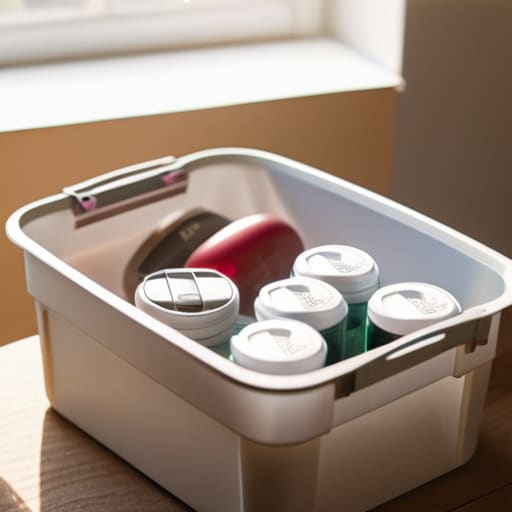
Moving day is usually a blur of heavy lifting and decision fatigue, so don’t wait until you’re standing in a pile of cardboard boxes to realize you don’t have a box cutter or a roll of tape. Your moving day essentials checklist should prioritize the stuff that keeps you functional in the first twelve hours. Pack a “Day One” bin—something you can carry easily—containing your chargers, basic toiletries, a change of clothes, and any medications. If you have to dig through twenty taped-up boxes just to find your toothbrush, you’ve already lost the battle.
Once the heavy furniture is in place, you’ll realize how quickly a space feels like a house versus just a room. Instead of panic-buying everything at once, focus on a few basic household necessities that make immediate life easier: a decent set of tools, some trash bags, and a roll of paper towels. I also suggest having your first apartment cleaning supplies—like an all-purpose spray and a microfiber cloth—ready to go before the boxes even hit the floor. It’s much easier to wipe down a shelf before you put your books on it than it is to clean around them later.
Basic Household Necessities That Actually Earn Their Keep
Most people treat their first shopping trip like a scavenger hunt for things they’ll never use. You don’t need a twelve-piece knife block or a specialized gadget for every single vegetable. Instead, focus on a few versatile tools that actually earn their keep. For me, that means a single high-quality chef’s knife, a heavy cast-iron skillet, and one decent pot. This is the core of your essential kitchenware for new renters—items that can handle everything from a basic omelet to a batch of pasta without taking up half your cabinet space.
The same logic applies to your cleaning kit. Don’t get distracted by a dozen different branded sprays; you really just need a solid multi-surface cleaner, some microfiber cloths, and a decent broom. Having these basic household necessities on hand from day one prevents that immediate “I can’t live like this” panic when you spill something on your new floor. Build your kit around utility and durability rather than aesthetics. If it doesn’t solve a recurring problem or save you time, leave it on the store shelf.
5 Ways to Avoid the "I Forgot That" Tax
- Don’t buy a full set of kitchen gear before you’ve cooked a single meal in the new place. Start with one good chef’s knife, one heavy pan, and one pot. You’ll realize pretty quickly if you actually need a garlic press or if it’s just more clutter taking up cabinet space.
- Audit your “utility” budget before move-in day. I used to think a cheap apartment meant cheap living, but then the electric bill hit and I realized my old place had better insulation. Check the window seals and the age of the AC unit so you aren’t surprised by a massive bill in month one.
- The “One-Box” Rule for night one. Pack one specific box that stays with you in your car, not the moving truck. It needs your charger, a change of clothes, basic toiletries, and your toolkit. There is nothing worse than being exhausted at 11 PM and realizing your toothbrush is buried under three layers of bubble wrap.
- Prioritize lighting over decor. Most rental apartments have those harsh, soul-crushing overhead lights. Instead of spending money on cute pillows, grab two decent floor lamps or even just some warm LED strips. It changes the entire vibe of a space from “temporary dorm” to “actual home” instantly.
- Buy second-hand for everything that isn’t touching your food or your skin. I’ve spent way too many hours fixing wobbly thrifted coffee tables, but it’s a fraction of the cost of new furniture. Save your real money for the stuff that matters—like a decent mattress or a reliable vacuum.
The Long Game of Settling In
At the end of the day, this checklist isn’t about achieving some impossible standard of domestic perfection. It’s about avoiding the “death by a thousand cuts” that happens when you realize you don’t have a can opener at 9 PM on a Tuesday or when you’ve blown your entire security deposit on aesthetic decor that doesn’t actually function. Focus on the essentials first—the tools that let you eat, clean, and sleep—and let the rest of the apartment evolve naturally. If you prioritize utility over impulse buys, you’ll find that your space settles much faster and your bank account stays significantly healthier.
Moving into your first place is a massive shift, and it’s easy to feel like you have to solve your entire life in one weekend. You don’t. Your apartment is a living system, and it’s okay if it takes a few months to find its rhythm. Treat your setup like a slow build rather than a frantic sprint. The goal isn’t to have a showroom; it’s to build a functional sanctuary that supports your actual life, not one that demands constant maintenance. Take it one small, repeatable win at a time, and soon enough, this place won’t just be an address—it’ll be home.
Frequently Asked Questions
How do I know which "essentials" are actually essential versus just stuff I'll end up never using?
I use a simple rule: if I can’t name three specific times I’ll use it in the next month, it’s not an essential; it’s just clutter. Most people buy “just in case” items—like a massive 12-piece spice set or a specialized gadget—that just sit in a cabinet gathering dust. If you’re unsure, wait. If you realize you actually need it two weeks after moving in, buy it then. Your space (and your bank account) will thank you.
What’s the best way to budget for these initial costs without blowing my entire security deposit?
The trick is to stop treating “moving” as one giant, terrifying expense and start seeing it as a series of small, manageable transactions. I use a “Phase System.” Phase 1 is strictly the non-negotiables: deposit, first month, and utility connections. Everything else—the aesthetic rug, the fancy toaster, the extra throw pillows—goes into Phase 2, which only happens once you’ve lived in the space for 30 days. If it isn’t essential for survival or hygiene, it waits.
Should I prioritize buying cheap secondhand furniture now or wait until I actually know how the space functions?
Wait. I know the urge to furnish a whole place on day one is real, but don’t fall into the trap of buying “placeholder” furniture that you’ll just end up replacing in six months. Live in the space for a week first. Figure out where the light hits, how you actually move through the rooms, and where the outlets are. Once you understand the flow, then go hunt for those secondhand gems.