Mastering Every Way to Cook the Perfect Egg
I grew up in a kitchen where we didn’t have the luxury of “brunch culture” or expensive non-stick pans that cost more than my weekly grocery budget. Most of the internet tries to turn a simple protein into a culinary marathon, filling your feed with twenty-step tutorials and specialized gadgets you definitely don’t need. Honestly, if you need a sous-vide machine to figure out how to cook eggs, you’re doing it wrong. I’m tired of seeing people treat breakfast like a high-stakes chemistry experiment when it should just be fuel that actually tastes good.
I’m not here to teach you how to be a Michelin-star chef; I’m here to help you build a repeatable system. I want to show you how to master the three most essential methods so you can get fed, stay within your budget, and get back to your actual life. We’re going to focus on low-friction techniques that work every single time, regardless of whether you’re using a cheap cast iron skillet or a battered non-stick pan. No fluff, no wasted ingredients—just functional food for people who have better things to do.
Table of Contents
Mastering Egg Cooking Temperatures for Zero Waste Results
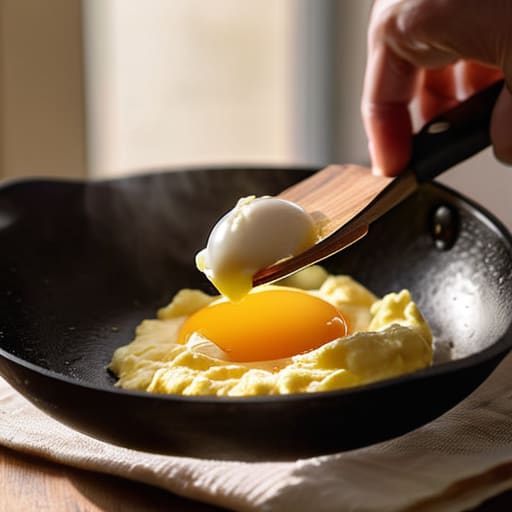
The biggest mistake I see is treating heat like an on/off switch. If you’re blasting a pan on high, you aren’t cooking; you’re just burning through your grocery budget by turning perfectly good protein into rubber. To get consistent results, you have to respect egg cooking temperatures. For a soft scramble, you want medium-low heat and constant movement. If you see brown edges, you’ve already lost. I always aim for a creamy, custard-like finish—it’s less about the recipe and more about controlling the thermal momentum of the pan.
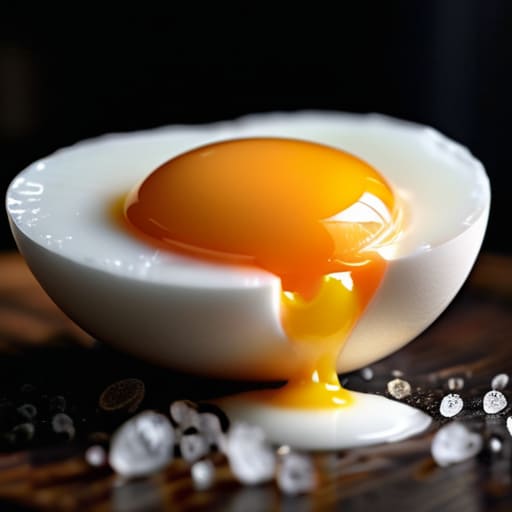
When you move toward something more precise, like a soft-boiled egg, timing becomes your only real tool. I don’t bother with complex gadgets; I just use a simple boiled egg timing guide based on minutes from the moment they hit the boiling water. Six minutes for a jammy yolk, nine for a solid one. It’s a repeatable system that ensures you aren’t throwing away half-eaten, overcooked eggs because you lost track of time. Master the heat, and you stop wasting food.
The Best Way to Fry Eggs for a Fast Morning
If you’re looking for the best way to fry eggs when you’re already five minutes late for a client call, stop trying to be a chef and start being a strategist. Forget the complicated flipping techniques you see in staged cooking videos; they’re high-effort and high-risk for a mess. Instead, use a small non-stick pan and a moderate heat setting. I like to crack the egg directly into a pre-heated pat of butter, letting the edges crisp up slightly while the yolk remains completely liquid. This provides that necessary fat and salt hit to wake you up without requiring a plate full of extra garnishes.
The goal here is minimal cleanup. I don’t have time to scrub a heavy cast iron skillet at 8:00 AM. By keeping the heat steady and the pan small, you get a perfect result in under three minutes. This is one of my favorite quick egg breakfast ideas because it pairs perfectly with whatever toast or leftover greens you have lying around. It’s a small, repeatable win that keeps you fed and keeps your kitchen from becoming a disaster zone before your workday even starts.
Five Small Wins for Better Eggs
- Stop using the “high heat” instinct. If you’re trying to make a soft scramble or a delicate fry, turn the dial down. Low and slow prevents that rubbery, overcooked texture that makes you want to throw the whole meal away.
- Invest in one decent non-stick pan. I learned this the hard way trying to save money with cheap, scratched-up cookware. If the egg sticks, you’ve wasted the ingredient and your time. A good pan is a utility, not a luxury.
- Season at the very end. If you salt your eggs too early while they’re still liquid, you can actually change the protein structure and make them weep water. Salt right before they hit the plate to keep the texture clean.
- Use a timer for soft-boiled eggs. Don’t “eye it.” If you want that jammy yolk for toast, set your phone for exactly six and a half minutes. It removes the guesswork and the wasted eggs.
- Keep your eggs at room temperature if you have the time. If you’re pulling them straight from a cold fridge, they’ll shock the pan and cook unevenly. Let them sit out for ten minutes while you grab your coffee; it makes a massive difference in consistency.
The Bottom Line
At the end of the day, cooking eggs isn’t about chasing culinary perfection or following a complex recipe from a chef who has a sous-chef to clean up after them. It’s about mastering the basics so you can feed yourself efficiently. Whether you’re managing your heat to avoid wasting food or perfecting that high-speed fry for a Tuesday morning, the goal is the same: minimal effort for maximum utility. Once you understand how temperature and timing work, you stop guessing and start executing. You move from “making breakfast” to operating a reliable system that keeps you fueled without draining your mental energy.
Don’t get discouraged if your first few attempts end up a little rubbery or a bit too runny. I spent way too many mornings eating mediocre eggs when I was first trying to figure out my own kitchen setup. The trick is to treat it like any other skill—it’s just a series of small, repeatable wins. Once you get the rhythm down, breakfast becomes the easiest part of your day rather than another chore on your list. Build the habit, refine the technique, and get back to your actual life.
Frequently Asked Questions
How do I keep my eggs from sticking to the pan if I'm trying to use less oil or butter?
The trick isn’t adding more fat; it’s managing heat and surface tension. First, stop using cheap non-stick pans that have lost their coating—they’re more trouble than they’re worth. If you’re using stainless steel, you need to master the Leidenfrost effect: heat the dry pan first, then add your minimal oil. Once the oil shimmers, drop the eggs. If the pan is the right temperature, the egg will slide, not glue.
Is there a way to meal prep eggs for the week without them getting that weird, rubbery texture?
The trick is to stop thinking about “cooking” and start thinking about “setting.” If you’re prepping for the week, skip the frying pan and go with a soft-boiled approach. Boil them for exactly six and a half minutes, then shock them in ice water immediately. This stops the residual heat from turning the yolks into rubber. Keep them in their shells in the fridge; they’ll stay perfect until you’re ready to peel and eat.
What’s the most efficient way to clean up the pan so I’m not stuck scrubbing for ten minutes after a quick breakfast?
The trick is to never let the pan go cold. The second you plate your eggs, pour a little hot water into the pan while it’s still on the burner. Use a spatula to scrape up those stuck bits while the heat is still active. It takes thirty seconds of rinsing and a quick wipe with a cloth, rather than ten minutes of aggressive scrubbing later when the proteins have basically turned into cement.