How to Make Your Home Smell Incredible Using Natural Methods
I spent most of my childhood in a tiny apartment where the smell of last night’s fried onions or damp laundry seemed to seep into the very walls. I remember watching my mom buy these expensive, neon-colored aerosol sprays that promised a “mountain breeze” but really just smelled like chemical flowers fighting a losing battle against the actual scent of the room. It was frustrating and, honestly, a waste of money we didn’t have. If you’re looking for a magic wand to mask smells, you’re going to be disappointed, because learning how to get rid of household odors isn’t about adding more scent—it’s about managing the environment so you don’t have to.
I’m not here to sell you on luxury candles or complicated cleaning rituals that eat up your entire Saturday. Instead, I want to share the low-effort, high-impact systems I’ve built to keep my own space smelling neutral and clean. We’re going to focus on small, repeatable wins—like using baking soda or managing airflow—that actually work without turning your life into a full-time janitorial job. Let’s get your apartment back to feeling like a sanctuary, not a science experiment.
Table of Contents
Eliminating Kitchen Smells Without a Deep Clean
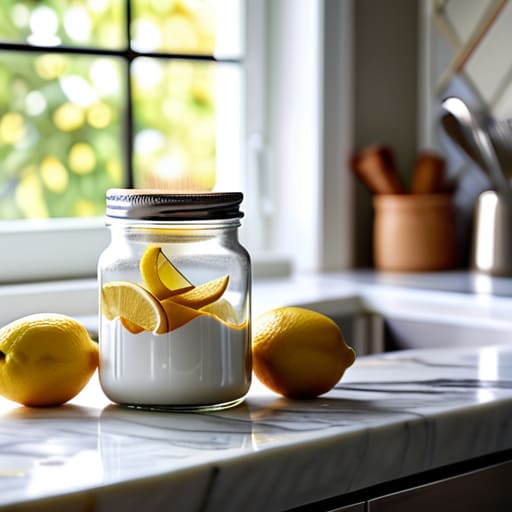
The kitchen is usually the first place to turn sour, especially if you’ve been meal prepping or just had a heavy garlic night. Most people think they need to scrub every single surface to fix it, but that’s a massive time sink. Instead, focus on eliminating kitchen smells at the source with minimal effort. I keep a small jar of baking soda tucked behind my spice rack; it’s a simple baking soda odor absorber that works silently in the background. Just swap it out once a month. If you’ve just finished cooking something particularly pungent, don’t just spray a heavy perfume over it—that just creates a weird, chemical scent cocktail. Instead, simmer a small pot of water with a few lemon peels or a cinnamon stick on the stove for ten minutes. It’s a quick, low-effort way of improving indoor air quality without needing a specialized machine.
Neutralizing Pet Odors With Low Maintenance Habits
If you live with animals, you know the reality: you can clean the floor all day, but that “dog smell” still seems to hang in the air. The mistake most people make is trying to mask it with heavy sprays that just create a weird, floral-meets-wet-fur scent. Instead of fighting a losing battle with aerosols, I focus on neutralizing pet odors at the source with much less effort.
Start by keeping a large container of baking soda near your pet’s main lounging area. If they have a rug or a specific spot where they nap, sprinkle a light layer of a baking soda odor absorber over the fabric, let it sit while you’re doing something else, and vacuum it up later. It’s a five-minute task that actually pulls the scent out of the fibers rather than just sitting on top of them.
For the more stubborn stuff, like cleaning smelly carpets after an accident, don’t reach for the harsh chemicals immediately. A simple mix of white vinegar and water works wonders for improving indoor air quality without leaving a toxic residue. It’s about building a routine where you address the small things before they turn into a weekend-long deep clean.
Low-effort tactics for the rest of your space
- Stop buying expensive scented sprays that just mask the problem; keep a small bowl of activated charcoal or even just plain baking soda in your closet or near trash cans to actually absorb the scent.
- If your bathroom smells like dampness, don’t scrub the tiles every week—just make sure you leave the door cracked after a shower and keep a small, cheap moisture absorber on the back of the toilet.
- Your fabrics are probably holding onto old smells, so instead of washing every single throw blanket or cushion cover, just hit them with a quick spray of a vodka-water mix or a light fabric refresher and let them air out.
- Check your entryway; if your shoes are bringing in the smell of the street or dampness, get a dedicated boot tray or a small cedar mat to catch the grime before it hits your floor.
- Airflow is your best friend and it’s free—set a timer for ten minutes every morning to open two windows on opposite sides of the apartment to create a cross-breeze that flushes out the stale air.
Small Wins, Fresh Air
At the end of the day, getting rid of smells isn’t about buying a dozen expensive, chemical-heavy sprays that just mask the problem. It’s about the small, boring stuff—keeping a box of baking soda in the pantry, managing your pet’s routine, and making sure your kitchen trash isn’t a permanent fixture on your counter. If you focus on these low-effort systems rather than waiting for a massive deep-cleaning weekend that you’ll never actually have time for, you’ll find that your space stays neutral by default. It’s much easier to prevent a smell from taking root than it is to scrub it out of your upholstery three weeks later.
I know it sounds unglamorous, but there is a quiet kind of peace that comes with a home that just smells like… nothing. You don’t need a sterile, museum-like apartment to feel like you have your life together; you just need a space that doesn’t feel heavy or cluttered by old scents. My goal isn’t to turn you into a professional cleaner, but to help you build a living environment that actually serves you. Start with one small habit this week. Once that’s part of your rhythm, move to the next. These small, repeatable wins are how you build a functional life without burning yourself out.
Frequently Asked Questions
What should I do if the smell seems to be coming from inside the walls or the floorboards?
If the smell is coming from inside the walls or floorboards, you’re likely dealing with a localized issue like a slow leak, mold, or a dead pest. Don’t go tearing up the floor just yet. First, check your humidity levels; if it’s high, grab a cheap hygrometer. If it’s a leak, you’ll see staining or soft spots. If it’s localized and won’t budge, it’s time to call a professional. Don’t DIY a structural problem.
Are there any cheap, non-toxic ways to freshen up my laundry without buying expensive scented additives?
Skip the overpriced scented beads; they’re mostly just synthetic chemicals that linger in your lungs. If you want that “clean” feel without the junk, grab a bottle of plain white vinegar. Pour about half a cup into the softener dispenser. It kills the bacteria that actually cause the funk and helps rinse out leftover detergent. Don’t worry—the vinegar smell disappears completely once the cycle is done, leaving your clothes just neutral and fresh.
How do I deal with that lingering "old apartment" smell that won't go away even after cleaning?
That “old apartment” smell usually lives in the things you can’t see—the porous surfaces. If you’ve already scrubbed the floors and it’s still there, it’s likely trapped in your curtains, rugs, or even the walls. Don’t go buying expensive air purifiers yet. Instead, wash your textiles with a cup of white vinegar in the rinse cycle and grab a bag of activated charcoal to tuck into corners. It’s about absorbing the scent, not masking it.