Simple Recipes Even a Total Beginner Can Master
I grew up watching my mom try to play Tetris with a grocery budget that never quite matched the reality of a hungry household. I learned early on that cooking isn’t about performing culinary magic or following a thirty-step recipe that requires an expensive blender you’ll never use again; it’s about survival and sanity. Most advice out there treats cooking like a hobby for people with endless free time, but for the rest of us, it’s just another task on an already overflowing plate. If you’re tired of staring at a half-empty pantry at 7:00 PM feeling defeated, you don’t need a chef’s degree—you just need a few easy meals for beginners that actually work when you’re exhausted.
In this post, I’m stripping away the fluff and giving you five specific, repeatable frameworks that prioritize efficiency over ego. We aren’t chasing perfection here; we are building functional systems that keep you fed without draining your bank account or your evening. By the end of this, you’ll have a toolkit of low-effort, high-reward meals that turn the kitchen from a source of stress into a place of quiet, reliable wins.
Table of Contents
The Sheet Pan Savior
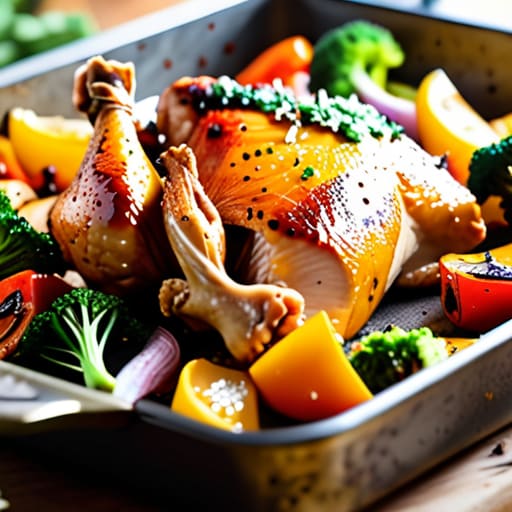
I used to think cooking meant standing over a stove for forty minutes, watching something burn while I lost my evening. The sheet pan method changed that for me. You basically just toss a protein—like chicken thighs or salmon—and whatever vegetables are on sale into a bowl with some olive oil, salt, and pepper, then spread it all out on a single tray. It’s the ultimate low-maintenance system for when you’re too tired to actually exist in the kitchen.
One-Pot Grain Bowls
When my budget was tight growing up, we leaned heavily on grains because they’re cheap, filling, and practically indestructible. I’ve turned this into a repeatable system using a single pot for rice, quinoa, or farro. Once your base is cooked, you aren’t “cooking” anymore; you’re just assembling. I grab a can of chickpeas, some sliced cucumber, and a dollop of hummus, and suddenly I have a meal that feels intentional rather than accidental.
The Elevated Pantry Pasta
Pasta is the safety net of every functional kitchen, but we aren’t talking about the bland, butter-only version. I treat pasta as a canvas for whatever is sitting in my pantry. A box of spaghetti, a jar of decent marinara, and a handful of frozen peas can become a legitimate dinner in under twelve minutes. It’s about building a minimalist pantry that can handle a sudden bout of hunger without a trip to the grocery store.
Breakfast for Dinner
There is a specific kind of freedom in realizing that eggs are one of the most efficient tools in your kitchen. When I’m too drained to even think about a “proper” dinner, I pivot to breakfast. Scrambled eggs with some toast and maybe some sliced avocado is a complete meal that takes about five minutes of active work. It’s a stress-free fallback that works every single time.
The Adult Quesadilla
I know, it sounds like something you’d eat at midnight after a long night, but a well-constructed quesadilla is actually a very efficient way to use up random scraps. If you have half an onion, a bit of leftover shredded chicken, or some black beans, they all belong inside a tortilla with enough cheese to hold it together. It’s the perfect way to minimize food waste while still eating something hot and satisfying.
The Bottom Line
At the end of the day, these five meals aren’t about becoming a gourmet chef or mastering complex French techniques. They are about building a reliable foundation. Whether you’re leaning on the one-pan roasted veggie method or the simplicity of a well-stocked grain bowl, the goal is to remove the decision fatigue that usually leads to expensive, unhealthy takeout. By mastering these basic rotations, you stop treating dinner like a crisis and start treating it like a functional system that works for your schedule and your bank account.
Don’t feel like you have to implement all of this by tomorrow morning. Start with one recipe, get comfortable with the rhythm of it, and let that become your new baseline. Cooking shouldn’t feel like another chore on an endless to-do list; it should be the thing that actually gives you time back. You don’t need a massive kitchen or a culinary degree to take control of your nutrition. You just need a few repeatable wins that keep you fed and focused. Get started small, stay consistent, and build a life that serves you.
Frequently Asked Questions
How do I avoid wasting money on groceries that just end up rotting in the crisper drawer?
Stop buying “just in case” produce. I used to do the same, thinking I was being prepared, but I was just subsidizing my trash can. Instead, shop with a mental rotation. Pick two versatile veggies and one protein that actually work together for three different meals. If it’s not in your immediate meal plan for the next 48 hours, leave it on the shelf. Buy what you’ll actually eat, not what you wish you were the kind of person who eats.
What’s the absolute bare minimum kitchen gear I need before I start buying specialized tools?
Don’t fall for the “chef’s kitchen” trap. You don’t need a mandoline or a sous-vide machine to eat well. Start with a decent 8-inch chef’s knife, a heavy-duty cutting board, a cast iron skillet, and one medium saucepan. If you have those, you can cook almost anything. Everything else is just clutter until you actually find yourself struggling to complete a specific dish. Buy tools to solve problems, not to fill drawers.
How can I prep these meals ahead of time without them turning into a soggy, unappealing mess by Wednesday?
The trick is modularity. Don’t prep a finished meal; prep components. Keep your grains, proteins, and greens in separate containers. If you mix a salad with dressing on Sunday, you’re eating wet leaves by Tuesday. Keep the “wet” stuff—sauces, dressings, or juicy proteins—in smaller jars, and only combine them right before you eat. It takes an extra thirty seconds, but it’s the difference between a real meal and soggy leftovers.