
Ways to Cut Utility Costs Without Sacrificing Comfort
I grew up in a space where every cent was accounted for, so I have zero patience for those “eco-friendly” lifestyle gurus telling you that you need to spend $500 on smart home gadgets just to learn how to save on utility bills. Most of that advice is just expensive noise designed to make you feel like you’re failing if you aren’t living in a high-tech, solar-powered fortress. If you’re spending your Saturday afternoon researching the thermal conductivity of window films instead of actually living your life, the system is broken. You don’t need a massive overhaul or a degree in engineering to stop the bleeding in your bank account; you just need to stop letting your apartment leak money through cracks you haven’t even noticed yet.
I’m not here to sell you on a lifestyle overhaul or a list of products you don’t need. Instead, I’m going to share the low-effort systems I’ve built to keep my overhead low without turning my home into a cold, dark cave. We’re going to focus on small, repeatable adjustments—the kind of stuff that actually sticks—so you can get your money back without sacrificing your sanity.
Table of Contents
Smart Thermostat Benefits for Low Effort Climate Control
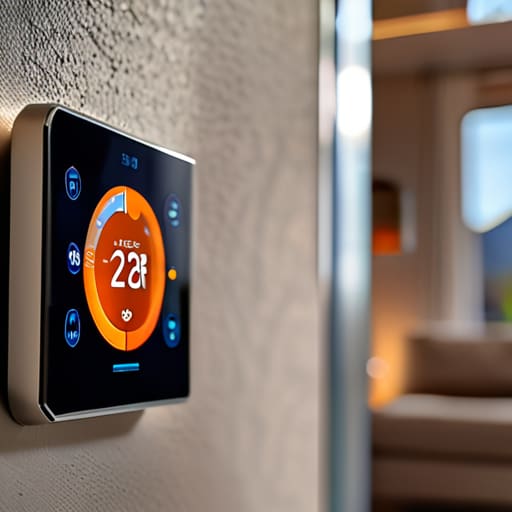
If you’re still manually adjusting your dial every time you leave the apartment, you’re wasting mental energy you don’t have. I used to do that, thinking I was being “frugal,” but I was really just being inefficient. Investing in a smart thermostat is one of those energy efficient home improvements that actually pays for itself because it removes the human error factor. You set a schedule once—maybe a slight dip while you’re at work and a gradual warm-up thirty minutes before you get home—and then you let the software handle the heavy lifting.
The real smart thermostat benefits show up in the data, not just the immediate feeling of a cooler room. Most of these devices learn your habits and stop heating or cooling an empty space, which is a massive win for reducing monthly household expenses without you having to lift a finger. It’s not about living in a cave; it’s about making sure your HVAC system isn’t running a marathon while you’re out living your life. It’s a set-it-and-forget-it system that treats your climate control like the utility it is, rather than a full-time job.
Seasonal Utility Saving Tips That Actually Stick
The problem with most seasonal advice is that it asks for a lifestyle overhaul when you’re already busy. I’m not going to tell you to spend your Saturday stripping wallpaper or installing new windows. Instead, think about low-effort home insulation techniques that you can execute in twenty minutes. In the winter, it’s as simple as using heavy curtains to block drafts or even just a cheap pool noodle shoved under a door frame. It’s not glamorous, but it keeps the heat where it belongs—in the room you’re actually sitting in—rather than leaking into the hallway.
When the temperature climbs, the strategy shifts toward reducing monthly household expenses by managing how your space holds heat. Instead of cranking the AC, try to time your window openings for the early morning or late evening. It sounds basic, but managing your airflow based on the sun’s position is a free way to keep your cooling costs from spiking. These aren’t massive renovations; they are just small, repeatable adjustments that stop your money from literally evaporating through the cracks in your walls.
Low-Maintenance Fixes for Your Water and Power
- Stop letting your water heater work overtime. If you haven’t touched the dial in months, turn it down to 120°F. Most factories set them way too high, and you’re essentially paying to boil water you’ll just cool down immediately in the shower anyway.
- Check your fridge seals with a quick piece of paper. If you can slide a dollar bill or a strip of paper out from between the door and the seal easily, you’re leaking cold air and paying for it. It’s a five-minute fix that stops your compressor from running non-stop.
- Unplug the “vampire” electronics. I know, it sounds like a chore, but if you have a dedicated power strip for your desk or entertainment center, just flip the switch when you’re done for the night. Those little standby lights and idle processors still pull a trickle of power that adds up by the end of the month.
- Switch to LED bulbs, but do it strategically. Don’t go on a massive shopping spree to replace every single bulb in the house today. Just replace the ones in the rooms where you spend the most time—the kitchen or your workspace. It’s a small, logical upgrade that pays for itself without the overwhelm.
- Clean your AC filters once a month. It takes about thirty seconds to slide them out and rinse them, but a clogged filter makes your system fight against itself. A clean filter means less strain on the motor and a lower bill when the heat actually hits.
The Bottom Line
At the end of the day, saving on utilities isn’t about living in a dark, freezing apartment just to see a slightly better number on your bank statement. It’s about moving away from reactive spending—where you’re constantly surprised by a massive bill—and moving toward intentional systems. Whether you’re automating your climate control with a smart thermostat or simply adjusting your habits as the seasons shift, the goal is to remove the mental load. You don’t need to spend your entire Saturday auditing every lightbulb in the house; you just need to set up a few low-effort defaults that work in the background while you actually live your life.
I know how it feels to watch every cent disappear into “invisible” costs like electricity and water. It feels like you’re running on a treadmill just to stay in place. But these small, repeatable wins add up to something much bigger than a few extra dollars in your savings account. They provide a sense of agency over your environment. Stop letting your apartment dictate your budget and start building a space that serves your goals instead of draining them. Get the systems in place, let them run, and then go focus on something that actually matters to you.
Frequently Asked Questions
Is it actually worth the upfront cost of smart plugs or LED upgrades, or am I just throwing money at a problem that won't show up on my bill for a year?
Look, if you’re buying a $50 smart plug to save $2 a month on a lamp, you’re just moving money from one pocket to another. It’s a bad trade. But LEDs? Those are a no-brainer. They pay for themselves in a few months just by not pulling constant juice. My rule is simple: if the hardware costs more than the projected annual savings, skip it. Focus on the big, low-effort shifts first.
How do I figure out if my high bill is actually a leak or just bad habits without calling an expensive technician?
Before you pay a pro a hundred bucks just to show up, do the “meter test.” Turn off every single appliance and light in your place, then go look at your water or electric meter. If that dial is still spinning or those numbers are climbing, you’ve got a leak or a phantom draw. If it stays dead still, your bill isn’t a mechanical failure—it’s just your habits. Adjust your usage first; troubleshoot the hardware second.
What are some ways to keep my place comfortable during a heatwave that don't involve running the AC on full blast all day?
Stop fighting the heat and start managing the airflow. Close your blinds or curtains during the day—it sounds basic, but blocking that direct solar gain is the easiest way to keep the temperature from spiking. If you have a ceiling fan, make sure it’s spinning counter-clockwise to push cool air down. For the rest, focus on “thermal mass”: keep your windows shut while it’s hot outside and only crack them open once the sun goes down.