Ways to Make Your New Habits Last
I spent most of my twenties watching “productivity gurus” sell $50 planners and complex morning routines that required waking up at 4:00 AM just to stare at a sunrise. It’s exhausting, and frankly, it’s a lie. Most of that advice is designed to make you feel like you’re failing if you aren’t living like a productivity robot. Real building good habits isn’t about some massive, overnight transformation or buying a subscription to a habit-tracking app that you’ll abandon by Tuesday. It’s about the small, unglamorous stuff—the kind of micro-adjustments that actually fit into a life that’s already messy and busy.
I’m not here to give you a lecture on discipline or sell you a lifestyle you can’t afford. Instead, I want to share the low-maintenance systems I’ve used to keep my freelance projects on track and my apartment from falling apart. We’re going to focus on small, repeatable wins that serve your life rather than adding more chores to your plate. No fluff, no expensive gear, and absolutely no hustle culture nonsense—just practical ways to make things stick.
Table of Contents
Cracking the Behavioral Psychology of Habits Without the Burnout
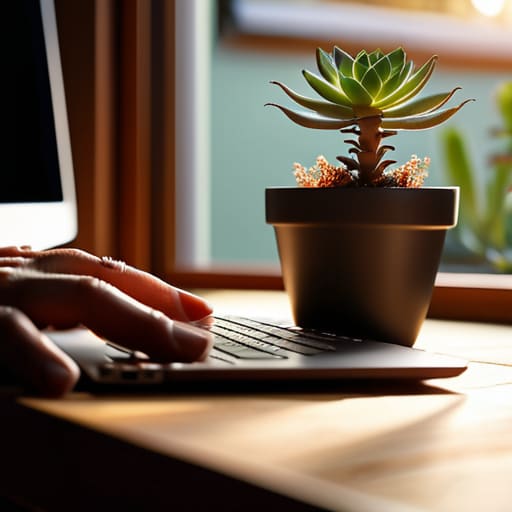
Most productivity gurus try to sell you this idea of sheer willpower, like you can just white-knuckle your way into a new lifestyle. That’s a lie. If you try to overhaul your entire existence on a Monday morning, you’ll be burnt out by Wednesday. Instead, you have to look at the cue-routine-reward loop. Every habit you have—good or bad—is just a response to a trigger. If you want to start something new, don’t focus on the “effort”; focus on the trigger. If I want to clean my desk before I start working, the act of opening my laptop becomes the cue.
The trick to overcoming habit resistance isn’t finding more motivation; it’s lowering the barrier to entry. I’m a big believer in the habit stacking method. You take something you already do without thinking—like brewing your first cup of coffee—and anchor the new behavior directly to it. It removes the decision fatigue that usually kills a new routine. You aren’t reinventing your identity; you’re just layering small wins onto the things that are already working.
The Cue Routine Reward Loop Automating Your Small Wins
Most people treat habits like they’re a test of willpower, but that’s a losing game. If you rely on sheer grit, you’ll eventually run out of steam. Instead, you need to understand the cue routine reward loop. Think of it as a simple circuit: a trigger (the cue) tells your brain to start, the action itself is the routine, and the feeling of satisfaction at the end is the reward. When you map this out, you stop fighting yourself and start designing a system that runs on autopilot.
The easiest way to implement this without feeling overwhelmed is through the habit stacking method. You take a cue that’s already hardwired into your day—like waiting for your coffee to brew—and anchor a new, tiny task to it. Maybe you clear one surface in your kitchen or check your banking app. By piggybacking on existing momentum, you’re overcoming habit resistance before it even has a chance to kick in. It’s not about massive lifestyle shifts; it’s about these small, mechanical connections that eventually become second nature.
Five Low-Friction Rules for Habits That Actually Stick
- Stop aiming for “all or nothing.” If your goal is to read for thirty minutes but you’re exhausted, just read one page. The goal isn’t the volume; it’s showing up so the habit doesn’t die in your head.
- Use habit stacking to your advantage. Don’t try to conjure a new routine out of thin air. Attach the new thing to something you already do without thinking, like watering your plants right after you brew your first cup of coffee.
- Audit your environment before you audit your willpower. If you want to eat better, don’t rely on discipline to ignore the junk in your pantry. Move the healthy stuff to eye level and hide the rest. Make the right choice the easiest one.
- Keep your “entry point” ridiculously small. If you’re trying to start a workout habit, your only job for the first week is putting on your gym shoes. Once the shoes are on, the hardest part of the friction is already gone.
- Track the streak, not the perfection. I keep a small notebook for my wins, and I don’t sweat the occasional missed day. Just don’t miss two days in a row. One miss is a lapse; two is the start of a new, bad habit.
Stop Aiming for Perfection
At the end of the day, building habits isn’t about some radical personality transplant or finding a way to outwork everyone else. It’s just about understanding that your brain is a pattern-seeking machine. By identifying your cues, simplifying your routines, and choosing rewards that actually satisfy, you stop fighting against yourself and start working with your biology. You don’t need a massive overhaul or a complex productivity app to make this work; you just need to stop overcomplicating the basics and focus on those tiny, repeatable wins that keep your life from feeling like it’s constantly slipping through your fingers.
I know the temptation to go all-in on a “new you” is strong, but please, don’t fall into that trap. Real, sustainable change is quiet. It’s boring. It’s the small, almost invisible choices you make when nobody is watching—like choosing to prep one meal or setting your keys in the same spot every night. Don’t wait for a surge of motivation that might never come. Just build the system one small step at a time, and let the momentum do the heavy lifting for you. Your future self will thank you for the stability, not the hustle.
Frequently Asked Questions
How do I keep these habits going when my schedule gets chaotic or I'm working a heavy freelance week?
When the freelance chaos hits, stop trying to maintain your “perfect” routine. You can’t run a marathon during a sprint. Instead, use the “Minimum Viable Version” of your habit. If your habit is a 30-minute workout but you’re drowning in deadlines, just do ten pushups. If it’s cooking, eat a bowl of cereal instead of a gourmet meal. Keeping the streak alive with a tiny, low-effort version is better than breaking the chain entirely.
What do I do when I actually mess up a routine—how do I get back on track without feeling like I've failed the whole system?
Look, I’ve been there. You miss three days of meal prepping or forget your budget tracker, and suddenly it feels like the whole system is broken. It’s not. A single missed day isn’t a failure; it’s just data. Don’t try to “make up” for it by doubling your effort tomorrow—that’s how you burn out. Just show up for the very next scheduled task. One small, imperfect win is better than a perfect reset.
How do I know if a habit is actually serving my life or if I'm just doing it because some productivity influencer said I should?
Ask yourself one question: Does this habit reduce my friction or add to it? If you’re waking up at 4:00 AM just because a guy on TikTok told you to, but you spend the rest of the day in a brain fog, that’s not a habit—it’s a performance. A real habit should feel like a quiet utility. It should solve a problem, save you money, or clear your head, not just fill a checklist.