
Create a Grocery Budget That Actually Sticks
I used to think that learning how to make a grocery budget meant I had to spend my entire Sunday meal prepping twenty identical Tupperware containers of steamed broccoli and dry chicken. Growing up in a cramped apartment where every dollar was already spoken for, I saw how people tried to turn frugality into a full-time job. Most of the advice you see online is just performative productivity—it’s more about looking like you have your life together than actually saving money. I’m tired of the idea that being smart with your food requires a spreadsheet for every single clove of garlic or a complete lifestyle overhaul.
I’m not here to give you a list of “hacks” that end up wasting more of your time than they save. Instead, I want to show you a few low-friction systems that actually work when you’re tired, busy, or just don’t feel like being a domestic goddess. We’re going to focus on a few small, repeatable wins that keep your pantry stocked without draining your bank account. This is about building a process that serves your life, not a chore that consumes it.
Table of Contents
Mastering Meal Planning for Savings Without the Stress
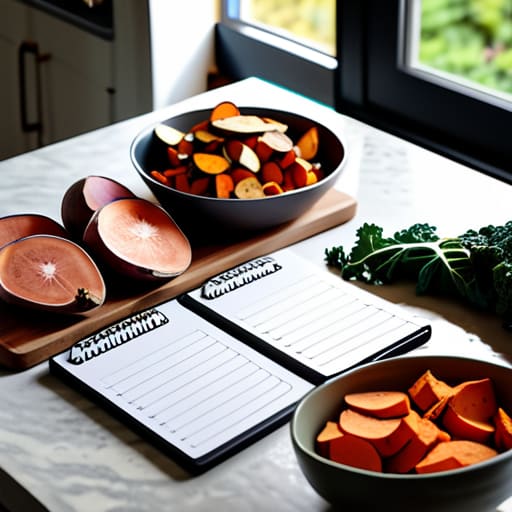
Most people treat meal planning like a second job, spending hours scrolling through Pinterest for recipes they’ll never actually cook. That’s a trap. If a system feels like a chore, you won’t stick to it, and you’ll end up back at the takeout app by Wednesday. Instead, try a “template” approach. Pick three go-to meals that use overlapping ingredients—think roasted chicken, sweet potatoes, and greens—and rotate them. This kind of budget-friendly meal prep isn’t about culinary creativity; it’s about reducing decision fatigue so you don’t make expensive, impulsive choices when you’re tired.
The real secret to minimizing food waste is shopping your own pantry before you hit the store. I always check my shelves first to see what’s nearing its expiration date. If I have a half-box of pasta and a jar of marinara, that’s my Tuesday dinner, regardless of what a recipe tells me to buy. Use a simple weekly food expense tracker—even just a note in your phone—to see where the leaks are. When you stop buying “just in case” ingredients, you’ll notice your bank account actually starts to recover.
Using a Weekly Food Expense Tracker to Find Leaks
Most people think they have a spending problem, but usually, they just have a visibility problem. You aren’t actually losing money to massive, intentional purchases; you’re losing it to the “death by a thousand cuts”—that $12 impulse buy at the checkout or the expensive pre-cut fruit you bought because you were too tired to chop it yourself. To fix this, you need a weekly food expense tracker. Don’t make it a complex spreadsheet that requires a degree in data science. Just use that notebook I mentioned earlier or a simple note on your phone. Every time you tap your card at the store or a bodega, write down the amount.
Once you have seven days of data, look for the patterns. You’ll quickly see where your money is leaking. Are you spending $40 a week on convenience items that could be replaced with basic ingredients? That’s your target. By identifying these specific gaps, you can start minimizing food waste and redirecting those funds toward things that actually matter. It’s not about deprivation; it’s about seeing exactly where your hard-earned cash is going so you can decide if it’s actually worth it.
Five low-effort shifts to keep your spending in check
- Shop your own pantry before you hit the store. I used to buy a new jar of cumin every week only to realize I had four hiding in the back of a cabinet. Look at what you already own, build a meal around it, and you’ve just saved five bucks without even trying.
- Stick to the perimeter and ignore the middle aisles. The stuff in the center of the store is almost always processed, packaged, and overpriced. Focus on the edges—produce, proteins, dairy—and you’ll find you’re buying actual food instead of expensive convenience.
- Stop buying “single-serve” anything. Those individual yogurt cups or pre-cut fruit packs are essentially a tax on being lazy. Buy the big tub or the whole fruit; it takes thirty seconds more to prep, but the price difference is massive over a month.
- Use a “capsule pantry” approach. Instead of buying a hundred different ingredients for one-off recipes, pick five versatile staples—like rice, eggs, beans, or frozen spinach—that work in multiple meals. It reduces waste and keeps your grocery list predictable.
- Never shop while you’re hungry or scrolling. If you walk into a store on an empty stomach, you aren’t buying what you need; you’re buying what looks good in the moment. Check your list, stick to the plan, and get out.
Small Wins, Big Impact
At the end of the day, a grocery budget isn’t about deprivation or eating nothing but lentils for a month. It’s about the systems we talked about: planning your meals so you aren’t impulse-buying at 7 PM when you’re hungry, and actually tracking where that extra twenty bucks disappears every week. When you combine a loose meal plan with a basic tracker, you stop leaking money on things you don’t even need. It’s not about being perfect; it’s about minimizing the friction between your intentions and your actual spending habits. Once you see the patterns, the math starts to do the heavy lifting for you.
I know it feels like just another chore on an already overflowing plate, but I promise you, the payoff is worth the five minutes of effort. Building these small, repeatable habits is how you reclaim control over your space and your bank account without turning your life into a full-time job. You don’t need a complex spreadsheet or a lifestyle overhaul to see results; you just need to start where you are. Keep your notebook handy, track the leaks, and focus on those small wins. Eventually, these systems won’t feel like work—they’ll just feel like living.
Frequently Asked Questions
How do I handle those random, unplanned cravings or social dinners without blowing my entire weekly budget?
The trick is to build a “buffer fund” directly into your weekly number. Don’t budget every single cent for planned meals; leave a $20 or $30 margin labeled “Chaos Money.” If a friend asks to grab tacos on Tuesday, use that. If you don’t spend it, it rolls over to next week. It’s not about deprivation; it’s about giving yourself permission to live without the guilt of breaking your system.
Should I be tracking every single receipt, or is there a way to do this that doesn't feel like a second job?
Don’t do that. Tracking every single receipt is a fast track to burnout, and if a system feels like a chore, you won’t stick to it. Instead, try the “category cap” method. Decide on a weekly number you’re willing to spend, then just check your banking app once every two days to see where you stand. It’s about awareness, not perfection. If you’re within the margin, you’re winning. Keep it simple.
What do I do when prices suddenly spike for the staples I rely on to keep my meal plan working?
Don’t panic and don’t abandon the system. When eggs or olive oil suddenly double in price, treat it like a glitch in a circuit board: you just need to reroute. Swap the expensive staple for a functional alternative—think canned beans instead of meat, or frozen veggies instead of fresh. It’s not about deprivation; it’s about tactical substitution. Adjust your list, keep your meal structure, and wait for the market to stabilize.