How to Stock Your Pantry for Effortless Healthy Eating
I spent most of my childhood watching my mom try to make magic happen with a half-empty pantry and a tight budget, so I have zero patience for the “wellness influencer” version of nutrition. You know the one: a list of $18 superfood powders, organic dragon fruit, and specialized tinctures that cost more than my monthly rent. Most advice on how to stock a healthy kitchen assumes you have an unlimited bank account and three hours every Sunday to meal prep elaborate, aesthetic bowls. It’s exhausting and, frankly, a lie. Real health isn’t about chasing expensive trends; it’s about having the right tools and staples on hand so you don’t default to takeout when you’re tired.
I’m not here to sell you a lifestyle overhaul or a complicated shopping list that requires a degree to navigate. Instead, I want to show you how to build a functional food system that actually works for a busy, real-world schedule. I’ll be sharing the specific, low-maintenance staples I use to keep my energy up without breaking my budget or my spirit. We’re going to focus on repeatable wins—the kind of pantry setups that make cooking feel like a quick utility rather than a second job.
Table of Contents
Nutritious Grocery List Essentials for Lazy Success
I’m not interested in buying a dozen different types of kale just because a nutritionist told me to. If it’s going to sit in the crisper drawer and turn into a liquid mess by Thursday, it’s a waste of money. Instead, focus on whole food pantry staples that have a long shelf life and zero prep work. Think canned chickpeas, lentils, quinoa, and frozen vegetables. Frozen spinach or peas are actually better than fresh in some ways because they won’t rot if you have a busy week, and they’re ready to toss into whatever you’re making.
When it comes to flavor, stop reaching for the salt shaker every time you cook. I’ve found that keeping a few low sodium seasoning alternatives on hand—like smoked paprika, garlic powder, or even a decent hot sauce—makes a massive difference without the bloat. For quick energy between tasks, keep some almonds or Greek yogurt in the fridge. These aren’t just random items; they are your nutritious grocery list essentials that actually survive a real schedule. The goal is to have things ready to go so you don’t end up ordering takeout because you’re too tired to “cook.”
Whole Food Pantry Staples That Actually Last
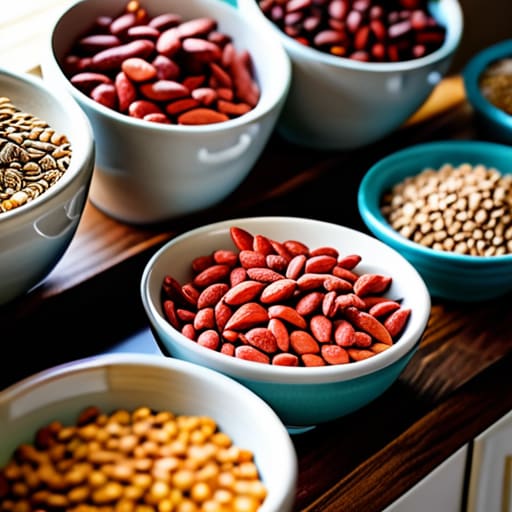
The goal here isn’t to turn your pantry into a museum of expensive organic grains you’ll never actually cook. It’s about building a foundation of whole food pantry staples that can survive a busy week without you having to run to the store every three days. I’m talking about the heavy lifters: dried lentils, quinoa, canned chickpeas, and brown rice. These things are cheap, they don’t expire if you forget about them for a month, and they provide the base for almost any meal. If you have these on hand, you’re never truly “out” of food.
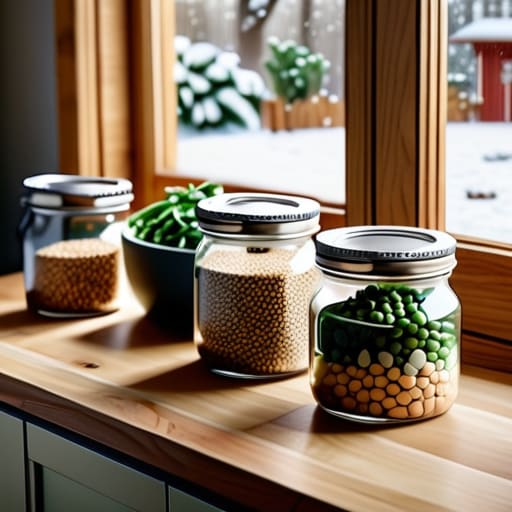
When it comes to flavor, skip the salt-heavy processed packets. I keep a small stash of dried herbs, garlic powder, and smoked paprika to avoid the bloat of processed stuff. It makes meal prepping with healthy ingredients feel less like a chore and more like something actually worth eating. If you keep your dry goods in clear, reusable containers, you can see exactly what you have at a glance. It stops that mid-week panic where you think you’re out of everything, only to realize you have three bags of oats hiding in the back.
Five Low-Friction Rules for Keeping the Kitchen Running
- Shop with a “modular” mindset. Instead of buying specific recipes that require ten unique ingredients, buy components that can be swapped around—like a bag of spinach that works in a smoothie, a pasta dish, or a sauté.
- Stop treating your freezer like a graveyard. Buy frozen vegetables and proteins in bulk. They’re nutritionally just as good as fresh, they don’t rot if you forget about them for a week, and they save you from that “nothing to eat” panic.
- Implement a “one-in, one-out” rule for perishables. Before you add new produce to the drawer, check what’s about to turn into mush. It’s a small way to stop throwing money directly into the compost bin.
- Keep your “emergency” meals visible. If your healthy canned beans or quick-cook grains are buried in the back of a dark cupboard, you’ll end up ordering takeout. Keep the easy, healthy stuff at eye level so it’s the path of least resistance.
- Don’t aim for a gourmet pantry; aim for a functional one. You don’t need thirty different spices to eat well. Pick five versatile ones—salt, pepper, garlic powder, something spicy, and something acidic—and build your flavor from there.
Stop Overthinking the Setup
Look, you don’t need a gourmet pantry or a massive grocery budget to eat well. It really comes down to the basics we just covered: grabbing versatile, nutrient-dense staples that won’t die in your crisper drawer and building a foundation of shelf-stable goods that make a quick meal possible when you’re exhausted. If you have some grains, a few reliable proteins, and frozen greens on hand, you’ve already won half the battle. The goal isn’t to have a kitchen that looks like a Pinterest board; it’s about having a functional system that prevents you from defaulting to expensive, processed takeout every time you’re too tired to think.
Don’t feel like you have to overhaul your entire kitchen in one Saturday afternoon. Just pick three things from this list and get them into your cart next time you’re out. Start small, build the habit, and let the system do the heavy lifting for you. You’re not trying to become a professional chef; you’re just trying to build a life that works for you, one simple meal at a time. Once you have these basics in place, you’ll realize that eating healthy isn’t an extra chore—it’s just the way your kitchen operates.
Frequently Asked Questions
How do I keep these staples from just sitting in my pantry until they expire?
The trick isn’t more willpower; it’s better visibility. If your staples are buried in the back of a dark cabinet, they’re basically dead to you. I use clear, modular bins for things like grains and pasta—if I can see the level dropping, I know I need to use it. Also, try the “First In, First Out” rule. When you get home from the store, move the older stuff to the front. Simple, but it works.
What’s the best way to shop for these items without spending two hours in the grocery store every week?
Stop wandering the aisles. If you’re browsing, you’re losing money and time. Use a digital list app—something simple like Notes or Reminders—and categorize it by the store layout (Produce, Grains, Canned Goods). This prevents that back-and-forth trek across the store. Better yet, pick one “anchor” shop day a week and stick to a strict perimeter-first route. If it’s not on the list, it doesn’t go in the cart. Period.
If I'm on a tight budget, which of these items should I prioritize buying first?
If money is tight, skip the specialty grains and focus on the heavy hitters: versatile proteins and long-lasting fats. Prioritize eggs, dried lentils or beans, and a big bag of rice. These are your foundation; they’re cheap, they don’t expire in three days, and they can be turned into a meal with almost anything else in your pantry. Get these in your cart first. Everything else is just a luxury until your base is set.