How to Build a Balanced Plate Without Tracking Macros
I spent most of my childhood watching my mom try to make magic happen with a handful of wilted greens and a half-empty bag of rice, so I have zero patience for the “wellness influencers” telling you that you need a $200 grocery haul of organic microgreens to stay healthy. Most of the advice out there on how to build a balanced meal feels like it was designed for people with personal chefs and endless free time, not for those of us trying to manage a freelance schedule in a tiny apartment. If a recipe requires twelve specialized ingredients and two hours of prep, it’s not a system; it’s a chore.
I’m not here to give you a lecture on macro-nutrients or sell you on a complicated meal-prep ritual that you’ll abandon by Wednesday. Instead, I want to show you a repeatable, low-effort framework that works even when you’re exhausted. We’re going to focus on a simple formula—protein, fiber, and fat—that you can execute with whatever is actually in your pantry. My goal is to help you master how to build a balanced meal using minimal tools and zero fluff, so you can eat well and get back to your actual life.
Table of Contents
The Protein Vegetable Carbohydrate Ratio That Actually Works
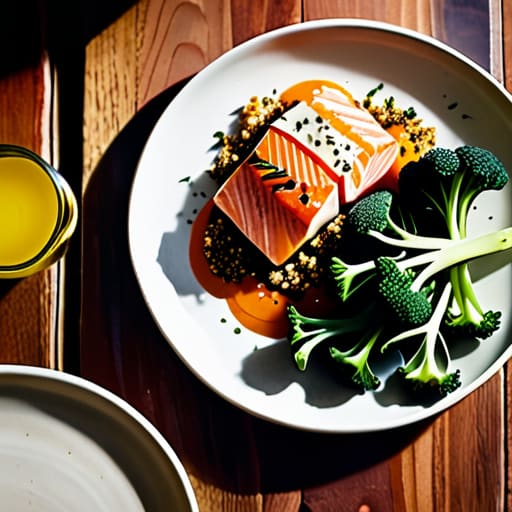
Forget the complex math you see in fitness influencers’ videos. You don’t need a spreadsheet to understand a basic protein vegetable carbohydrate ratio that keeps you full without the brain fog. I look at it through the lens of a simple visual: your plate is a map. If you aim for half the plate to be vegetables, a quarter for protein, and a quarter for carbs, you’ve already won. This isn’t about strict calorie counting; it’s about a repeatable system that prevents you from crashing two hours after lunch.
When I’m meal prepping for nutrition during a busy work week, I don’t weigh every gram of spinach. Instead, I focus on nutritional density—filling that veggie half with stuff that actually has substance, like roasted broccoli or sautéed kale, rather than just iceberg lettuce. The protein is your anchor; it keeps your hunger levels steady so you aren’t reaching for snacks while you’re trying to focus on a project. If you get the proportions right, the healthy plate method becomes second nature, and you stop thinking about “dieting” and start just eating functional fuel.
A Low Maintenance Healthy Plate Method for Busy People
The problem with most nutrition advice is that it feels like a second job. If I have to weigh every gram of spinach or track a complex macronutrient distribution guide on an app, I’m just not going to do it. I don’t have the mental bandwidth for that after a day of coordinating freelance projects. Instead, I use a visual system that requires zero math. I look at my plate and aim for a simple division: half the space goes to greens or colorful veggies, a quarter to a solid protein, and the final quarter to a complex carb.
This isn’t about perfection; it’s about consistent execution. By using this healthy plate method, you’re essentially automating your decision-making process. You don’t need to worry about intense portion control for healthy eating if the visual proportions are already dialed in. If your plate looks roughly like that ratio, you’ve already won. It’s a low-stakes way to ensure you’re getting what you need to stay fueled without turning your kitchen into a laboratory.
Five ways to stop overthinking your dinner
- Stop buying “specialty” ingredients. A balanced meal is just a protein, a veggie, and a grain. You can find all three in the frozen aisle or the discount bin, and they’ll work exactly the same way.
- Master the “one-pan” rule. If you’re spending forty minutes cleaning three different pots just to eat a balanced meal, the system is broken. Aim for sheet pan dinners or one-pot stews so the cleanup doesn’t kill your evening.
- Keep a “staple list” in that notebook of mine. Don’t reinvent the wheel every Tuesday. Pick three reliable combos—like salmon, broccoli, and rice—and rotate them until you’re bored, then swap one variable.
- Use frozen vegetables as your safety net. They’re pre-washed, pre-chopped, and won’t rot in your crisper drawer because you had a long work day. They fit the ratio just as well as the fresh stuff.
- Don’t aim for perfection, aim for “good enough.” If you’re exhausted, a tin of tuna, a handful of spinach, and some crackers is a balanced meal. It beats ordering takeout and draining your bank account.
Stop Overthinking the Plate
At the end of the day, you don’t need a culinary degree or a pantry full of expensive superfoods to eat well. It really just comes down to the system we talked about: a solid protein, a handful of veggies, and a reliable carb. If you can master that basic ratio, you’ve already won half the battle against takeout fatigue and mid-afternoon energy crashes. Forget the complicated recipes that require twelve different spices and an hour of prep you don’t have. Focus on building a repeatable framework that works even when you’re exhausted, and just keep it simple.
I spent a lot of years thinking that “healthy eating” had to be this massive, all-or-nothing lifestyle overhaul. It isn’t. It’s just a series of small, intentional choices that happen while you’re living your actual life. You don’t need to be perfect, and you definitely don’t need to spend your entire Sunday meal prepping if that’s not how you operate. Just aim for consistency over intensity. Once you stop viewing food as a chore and start seeing it as a functional system for your body, everything else starts to fall into place. Now, go grab something decent to eat.
Frequently Asked Questions
What do I do when I don't have time to actually cook anything from scratch?
Stop trying to be a chef when you’re exhausted. When I’m running between freelance gigs, I rely on “assembly, not cooking.” Keep a rotation of high-quality shortcuts in your pantry: canned chickpeas, pre-washed arugula, frozen veggies, and rotisserie chicken. You aren’t making a meal from scratch; you’re just combining reliable components. It takes five minutes, costs less than takeout, and keeps the system running without the mental load of a recipe.
How do I handle eating out or grabbing takeout without completely blowing my nutrition?
Look, I’m not going to tell you to avoid restaurants—that’s unrealistic and honestly, a bit boring. Instead, use the same ratio we just talked about. When you’re looking at a menu, scan for the protein and the veggie first. If you’re getting a burger, maybe swap the fries for a side salad. It’s about making one small adjustment rather than trying to eat a perfect meal. It keeps the system running without the stress.
Does this system change if I’m trying to hit specific fitness goals, like gaining muscle or losing weight?
The system doesn’t change, just the volume. Think of the ratio as your foundation, not a rigid law. If you’re trying to build muscle, lean into the carbs and protein to fuel recovery. If you’re looking to lose weight, keep the ratio but dial back the portion sizes—specifically the carbs—while keeping the protein high so you don’t feel like you’re starving. It’s about adjusting the scale, not rewriting the whole blueprint.