
Natural Methods to Keep Pests Away From Your House
I still remember the feeling of being ten years old, sitting on the linoleum floor of my mom’s cramped apartment, watching a single cockroach vanish behind the fridge. It wasn’t just gross; it felt like a personal failure of our space. Most people will tell you that the answer to that feeling is to spend fifty bucks on some “miracle” spray or a dozen different chemical canisters that smell like a laboratory accident. Honestly, that’s a scam. Learning how to prevent pests at home shouldn’t involve a chemistry degree or a massive dent in your grocery budget; it should be about smart, low-effort maintenance that actually works.
I’m not here to sell you on complex cleaning schedules that eat up your entire Saturday. My goal is to give you a few high-impact, repeatable wins that keep the bugs out without turning your life into a full-time job. We’re going to focus on a few minimalist systems—sealing the obvious gaps, managing your waste, and fixing the tiny leaks—that act as a permanent defense. Let’s get your space back in order so you can focus on things that actually matter.
Table of Contents
Sealing Cracks and Crevices Without a Weekend Project
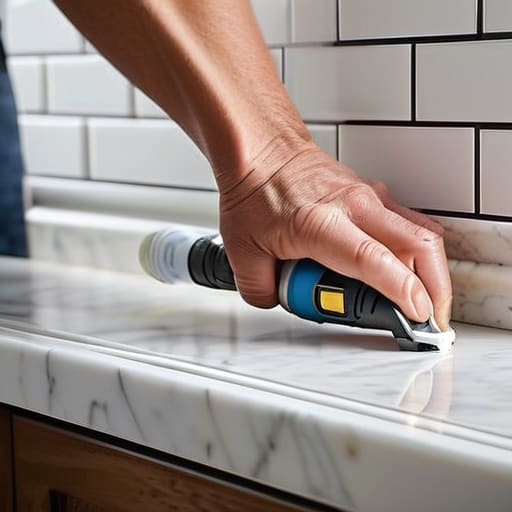
You don’t need to strip the baseboards or tear up your flooring to stop an infestation. Most bugs are just looking for a shortcut into your space, and they usually find it through tiny gaps around window frames or where pipes meet the wall. Instead of a massive renovation, grab a tube of silicone caulk and a cheap caulking gun. Spend twenty minutes—maybe thirty if you’re thorough—sealing cracks and crevices in the kitchen and bathroom. It’s a low-effort way to close the front door on unwanted guests without needing a contractor.
If you see a gap under your sink or around a radiator, don’t just ignore it. These are the highways for ants and roaches. While you’re at it, check the exterior of your windows; a little bit of sealant goes a long way in making your apartment a fortress. I’ve found that if you focus on these high-traffic entry points first, you get about 80% of the results with about 5% of the actual labor. It’s about being strategic, not exhaustive.
Proper Food Storage Techniques for Busy People
Most people think they need to deep-clean their entire kitchen to avoid bugs, but that’s a recipe for burnout. In reality, the most effective way to stay ahead is through consistent proper food storage techniques. If you’re leaving half-empty cereal boxes open or letting bread crumbs accumulate in the toaster tray, you’re essentially sending out a dinner invitation. I stopped using the original cardboard packaging for almost everything—pasta, flour, even snacks—and switched to a uniform set of glass or BPA-free plastic containers with airtight seals. It takes five seconds more during prep, but it creates a physical barrier that even the most determined ants can’t breach.
Don’t forget about the “invisible” food, too. That sticky residue under your toaster or the spilled sugar behind the coffee maker is a goldmine for identifying common household insects like ants or cockroaches. You don’t need a massive cleaning spree; just make it a habit to wipe down your main prep surfaces once a day before you sit down to relax. Keeping your dry goods sealed and your counters clear is a small, repeatable win that keeps your space yours.
Low-Maintenance Defense: 5 Small Wins to Keep Your Space Clear
- Fix the leaks, even the small ones. Most pests are just looking for a drink, so if you’ve got a dripping faucet or a slow leak under the sink, grab a wrench and tighten it. It’s a ten-minute fix that saves you from a much bigger headache later.
- Manage your trash like a pro. You don’t need a fancy system; just get a bin with a lid that actually stays shut. If you’re running low on trash bags, don’t let the scraps pile up in an open bin overnight—that’s basically an open invitation.
- Stop hoarding the “just in case” clutter. Cardboard boxes are basically luxury apartments for roaches and silverfish. If you aren’t using a box, break it down and get it out of the house. Switch to plastic bins if you really need to store stuff.
- Clean the “hidden” crumbs. We all wipe the counters, but the real issue is the stuff behind the toaster or under the stove. Once a month, just pull the appliance out and sweep. It takes three minutes and removes their primary food source.
- Check your deliveries. If you’re getting a lot of grocery deliveries or packages, do a quick scan before you put everything away. It’s easier to catch a hitchhiker in a produce bag than it is to deal with an infestation once they’ve settled into your pantry.
The Bottom Line
At the end of the day, keeping pests out isn’t about deep-cleaning your baseboards every Sunday or buying every expensive spray at the hardware store. It’s about the small, boring stuff: sealing that one gap under the sink, keeping your pantry airtight, and not letting a pile of takeout containers sit on the counter overnight. If you can manage to maintain these basic systems, you’ve already done 90% of the work. You don’t need a massive overhaul; you just need to stop providing the entry points and the buffet that invite them in.
I know it feels like just another thing on the list of chores, but think of it as protecting your peace. Your home should be a place where you can actually relax, not a place where you’re constantly scanning the floor for movement. Building these little habits doesn’t take much time, but the mental energy you save by not worrying about an infestation is massive. Focus on the small, repeatable wins, and let your environment work for you instead of against you.
Frequently Asked Questions
I’ve already sealed the cracks and organized my pantry, so why am I still seeing a few ants or roaches?
It’s frustrating, I know. You do the work and still see a stray scout. Honestly? It’s usually one of two things: moisture or “invisible” trails. Even if your pantry is sealed, a tiny leak under the sink or a damp dishcloth is a neon sign for them. Also, once an ant finds a path, they leave a chemical trail that persists even after you wipe it up. Clean those spots with vinegar to break the scent.
Are there any specific cleaning products I should avoid that might actually be attracting bugs instead of repelling them?
Stick to the basics. Most people overcomplicate this by buying heavy, floral-scented “all-purpose” cleaners. Those sweet, fruity fragrances are basically a dinner bell for ants and fruit flies. If it smells like a candy factory, don’t use it on your counters. I usually just stick to a simple vinegar and water solution or a basic unscented dish soap. It gets the grime off without leaving a sugary trail for pests to follow.
How much time should I realistically spend on a "deep clean" vs. just sticking to these quick maintenance habits?
Look, I’m not a fan of the “marathon cleaning” approach. If you spend eight hours every Sunday scrubbing baseboards, you’re just burning out. Aim for one deep-clean session a month—maybe ninety minutes of the heavy stuff like behind the fridge or inside the pantry. The rest of the time? Stick to the maintenance. If your systems work, the deep clean should feel like a quick tune-up, not a grueling chore.