Realistic Healthy Recipes for Busy Lifestyles
I used to think that eating well meant spending my entire Sunday meal prepping in a kitchen that felt too small, or dropping half my paycheck on organic produce that just ended up wilting in the crisper drawer. Between freelance deadlines and trying to keep my apartment from falling apart, I didn’t have the bandwidth for culinary theater. The truth is, most people fail at nutrition not because they lack willpower, but because they’re following advice that is fundamentally unrealistic for a busy life. We need easy healthy recipes that actually respect our time and our bank accounts, rather than adding another chore to an already overflowing to-do list.
In this post, I’m breaking down five specific meal frameworks that prioritize efficiency without sacrificing flavor. I’m not going to give you a list of complex, twenty-ingredient salads that take forty minutes to chop. Instead, I’m sharing five high-utility options designed to be low-effort and high-reward. You’ll learn how to build nutritious meals using basic pantry staples and minimal cleanup, ensuring you stay fueled and focused without letting your kitchen—or your budget—get out of control.
Table of Contents
The Sheet Pan Standard
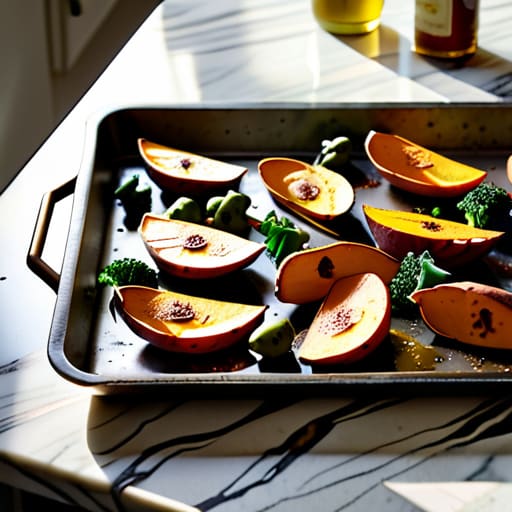
I don’t have the patience for a sink full of pots and pans after a long day of coordinating projects. The sheet pan method is my go-to because it turns the oven into a hands-off worker. You just toss some chopped sweet potatoes, broccoli florets, and a protein like salmon or chicken thighs onto a single tray with olive oil, salt, and pepper. It’s about minimizing the cleanup so you can actually enjoy your evening.
One-Pot Grain Bowls
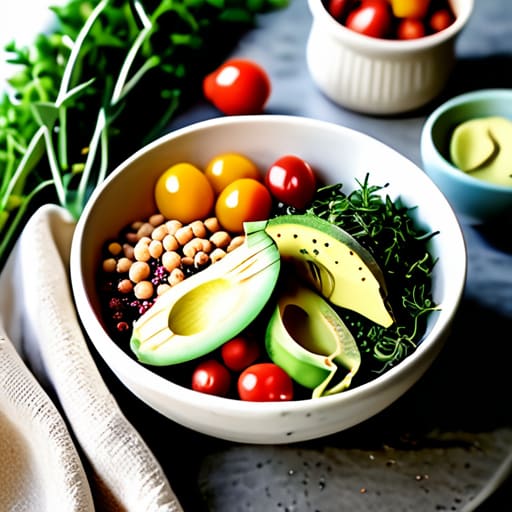
When my grocery budget is feeling tight, I lean heavily on grains and legumes. A grain bowl is essentially a customizable system that prevents food waste. Start with a base of quinoa or brown rice—I usually cook a large batch on Sunday to save time—and then layer on whatever is in your fridge. A can of chickpeas, some sliced cucumber, and a handful of spinach can turn into a legitimate meal in under five minutes.
The Elevated Scramble
Breakfast doesn’t have to be a ritual, and it definitely shouldn’t be a time sink. If I’m running behind, I make a heavy-duty scramble. I use three eggs, a massive handful of greens like kale or spinach, and whatever cheese I have on hand. The greens wilt down into almost nothing, which is a great way to sneak in nutrients without having to chew through a massive salad.
Cold Soba and Edamame
There are nights when the thought of turning on the stove feels like too much manual labor. That’s when I go for cold buckwheat soba noodles. They cook incredibly fast, and since they’re meant to be eaten cold or at room temperature, you don’t have to worry about the precision of temperature control. Mix them with shelled edamame, shredded carrots, and a splash of soy sauce.
The Pantry Pasta
Most people think “healthy” means “expensive fresh produce,” but that’s a myth. A pantry pasta can be incredibly nutritious if you play it smart. I use whole wheat or chickpea pasta for the extra fiber and protein, then toss it with canned tuna, garlic, and a lot of olive oil. It’s a Mediterranean-style setup that relies on shelf-stable staples rather than a trip to the market.
Keep It Simple
At the end of the day, these recipes aren’t about achieving some impossible standard of culinary perfection or spending your entire Sunday meal prepping in a sterile kitchen. It’s just about having a few reliable, go-to options that prevent you from hitting that expensive, low-energy takeout cycle when you’re tired. Whether you’re leaning on the one-pan roasted veggies or the quick protein bowls we talked about, the goal is to minimize decision fatigue. If you can master just two or three of these, you’ve already built a system that protects both your health and your bank account without requiring a second job in the kitchen.
I know how it feels when the day gets heavy and the last thing you want to do is face a sink full of dishes or a complex recipe. But remember, you don’t need to overhaul your entire lifestyle overnight to see a difference. Real progress is found in the small, repeatable wins—the decision to cook a quick meal instead of scrolling through a delivery app for forty minutes. Start with one recipe this week. Get it down, get comfortable with it, and let that be your baseline. You’re building a life that works for you, one simple meal at a time.
Frequently Asked Questions
How do I keep these ingredients fresh without spending a fortune on produce that just rots in the crisper drawer?
The “crisper drawer graveyard” is a real thing, and it’s just wasted money. First, stop washing everything the second you get home; moisture is the enemy of longevity. Keep greens in a container with a paper towel to soak up excess humidity. For herbs, treat them like flowers—trim the stems and put them in a glass of water. If things are starting to wilt, don’t toss them; freeze them for smoothies instead.
Can I actually prep these ahead of time, or am I still going to be stuck in the kitchen every single night?
The whole point is to avoid being a slave to your stove. Yes, you can—and should—prep these. I don’t do “meal prep Sundays” where I spend five hours in a kitchen trance; that’s a chore, not a system. Instead, I batch-cook the grains or roast the veggies once or twice a week. Most of these components stay good in the fridge for three to four days. Prep the building blocks, then just assemble and eat.
What are some cheap, pantry-stable swaps if I can't find everything on the specific grocery list?
If you’re staring at a shelf and the exact ingredient isn’t there, don’t panic and don’t drive to a second store. That’s how you waste time and gas. If a recipe calls for fresh spinach but you only have frozen, just thaw and squeeze the water out. Out of quinoa? Use rice or farro. Out of heavy cream? A splash of whole milk and a bit of butter works fine. Stick to the function, not the label.