Smart Kitchen Hacks to Save You Time Every Day
I spent my childhood watching my mom try to make a single bag of groceries stretch across a week in a kitchen that felt way too small for our ambitions. I learned early on that most of the “kitchen tips and tricks” you see on social media—the ones involving expensive specialized gadgets or three-hour meal prep marathons—are absolute nonsense. They aren’t designed to help you eat better; they’re designed to sell you something you don’t need. If a “hack” requires you to buy a $50 silicone gadget just to peel a potato, it’s not a system, it’s a chore.
I’m not here to give you a list of aesthetic pantry transformations that look good on camera but fall apart by Tuesday. Instead, I want to share the low-effort, high-impact systems I’ve built to keep my own space functional and my spending in check. We’re going to focus on practical, repeatable wins that actually respect your time and your bank account. No fluff, no expensive tools—just honest ways to make your kitchen work for you so you can get back to the rest of your life.
Table of Contents
Mastering Meal Prep Efficiency Without Losing Your Entire Sunday
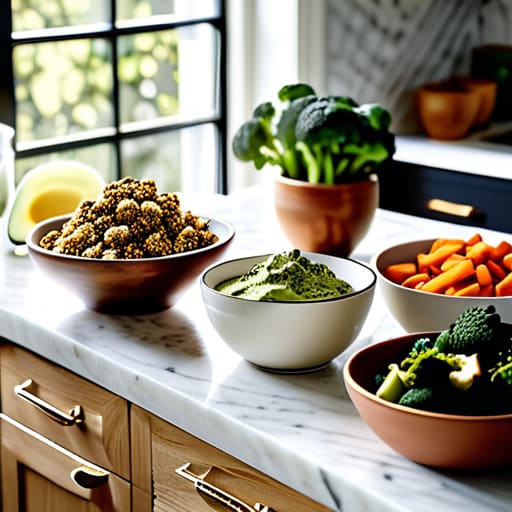
Most people approach meal prep like it’s a full-time job, spending six hours on a Sunday hovering over a cutting board only to feel burnt out by Monday morning. That’s not a system; that’s a chore. I prefer a more tactical approach to meal prep efficiency that focuses on component cooking rather than rigid, recipe-heavy sessions. Instead of making five identical Tupperware containers of chicken and broccoli, I prep versatile building blocks: a big batch of roasted grains, two types of protein, and a versatile dressing. This way, you aren’t eating the same flavor profile every day, but the heavy lifting is already done.
To make this actually work, you need to stop fighting your tools. If your knives are dull, you’re wasting time and risking a slip. Investing even twenty minutes into some basic knife skills for beginners will shave more time off your prep than any expensive gadget ever could. Once you can dice an onion in thirty seconds instead of three minutes, the whole process feels less like a mountain and more like a small, repeatable win that keeps your week running smoothly.
Smart Food Storage Solutions to Save Your Groceries and Cash
Most people think they have a food problem, but they actually have a storage problem. You buy a bag of spinach, it turns into green sludge in three days, and suddenly you’re back at the grocery store spending money you didn’t plan to spend. To stop this cycle, you need better food storage solutions that actually work with your lifestyle. I stopped relying on those flimsy plastic bags and switched to glass containers with airtight seals. They’re a bit heavier to wash, but they keep things fresh significantly longer, which means less waste and more money staying in your pocket.
Don’t overcomplicate your kitchen organization ideas by buying a dozen specialized gadgets you’ll never use. Instead, focus on the basics: clear bins for the pantry to see what you actually have, and dedicated zones in the fridge for perishables. If you can see your ingredients, you’re much less likely to let them die in the back of the crisper drawer. It’s about building a visual inventory so you know exactly what needs to be eaten before it goes bad. Simple, repeatable, and it keeps your budget intact.
Small Systems for a Low-Maintenance Kitchen
- Stop buying “specialty” gadgets that just take up drawer space. Most of what you actually need is a single, decent chef’s knife and a heavy cutting board. If your tools are high-quality and versatile, you spend less time cleaning a mountain of junk and more time actually eating.
- Adopt a “clean as you go” rule that actually works. I don’t mean scrubbing the floors mid-recipe; I mean washing your prep bowls while the onions are sautéing. If you finish cooking and the only thing left to do is plate the food, you’ve won.
- Use a “First In, First Out” (FIFO) system for your pantry. When you get home from the store, move the older cans and boxes to the front. It sounds tedious, but it’s the easiest way to stop finding expired, dusty jars at the back of the shelf that you’ve already paid for twice.
- Keep a “scrap bin” in your freezer for veggie ends, onion skins, and herb stems. Once it’s full, boil it all down into a stock. It’s free flavor, zero waste, and it beats buying those overpriced, salty bouillon cubes.
- Designate one “landing zone” on your counter for incoming groceries. Don’t just shove bags into the pantry or fridge. Unpack them immediately onto that one spot to check what you actually have versus what you think you have. It prevents that mid-week realization that you’re out of garlic right when you need it.
Keeping the Momentum
At the end of the day, a functional kitchen isn’t about having a professional-grade setup or a pantry that looks like a Pinterest board. It’s about the small, tactical shifts we discussed: streamlining your meal prep so it doesn’t eat your weekend, and using better storage to stop throwing money in the trash. When you stop fighting your space and start building systems that actually work, you reclaim more than just floor space—you reclaim your time and your budget. It’s about making the kitchen a tool for your life, rather than another chore on an endless to-do list.
Don’t feel like you have to overhaul everything by Monday morning. Start with one thing—maybe it’s just organizing your containers or prepping one batch of grains—and see how it feels. The goal isn’t perfection; it’s sustainable progress. We’re just trying to build a life that feels a little more intentional and a lot less chaotic. Keep your tools sharp, your ingredients fresh, and your systems simple. You’ve got this.
Frequently Asked Questions
I'm already short on space; how do I implement these systems in a tiny apartment kitchen without it feeling cluttered?
The trick is to stop thinking about “storage” and start thinking about “zones.” If you’re working with a tiny footprint, every square inch has to earn its keep. Get rid of the bulky appliances you only use once a month—tuck them in a closet or sell them. Use vertical space with magnetic knife strips or hanging rails for utensils. If it doesn’t serve a daily purpose, it shouldn’t be on your counter. Keep the surfaces clear so you can actually cook.
What are some low-cost tools or DIY fixes for when my basic kitchen gear starts breaking down?
Don’t go out and buy a new set just because a handle wiggles or a drawer sticks. If a cabinet hinge is loose, a bit of wood glue and a tightened screw usually does the trick. For dull knives, skip the expensive sharpeners; a ceramic mug turned upside down works as a decent emergency hone. Most gear just needs a little maintenance, not a replacement. Fix what you have first.
How do I stick to these systems when my freelance schedule gets chaotic and I don't have a routine?
When my freelance schedule goes sideways, I stop trying to follow a calendar and start following a “trigger.” Don’t aim for a Tuesday meal prep if Tuesday is a deadline day. Instead, use a trigger: “When I finish my last client call, I spend 15 minutes prepping one protein.” It’s about modularity. Build systems that are small enough to execute in the gaps between chaos, rather than rigid routines that break the moment life gets loud.