Smart Meal Prep Strategies for Healthy Eating
I used to think meal prepping meant spending my entire Sunday afternoon hovering over a stove, surrounded by Tupperware and a mountain of dirty dishes. It felt less like “self-care” and more like a second, unpaid job that sucked the life out of my only day off. But when you’re balancing freelance gigs and trying to keep a tiny apartment from falling apart, you don’t have time for performative productivity. You just need healthy meal prep ideas that actually fit into a real, messy life without turning your kitchen into a battlefield.
In this post, I’m stripping away the complicated recipes and the “aesthetic” lunch boxes that take more effort to make than they’re worth. I’ve narrowed it down to five specific, low-friction systems that focus on maximum utility and minimum cleanup. We’re going to look at ways to prep components rather than full meals, so you can actually eat well during the week without feeling like you’ve sacrificed your freedom. Let’s build a system that keeps your energy up and your grocery bill down, one small, repeatable win at a time.
Table of Contents
The Component Method
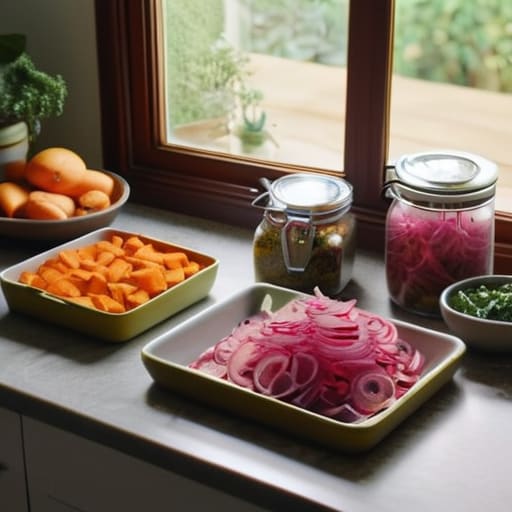
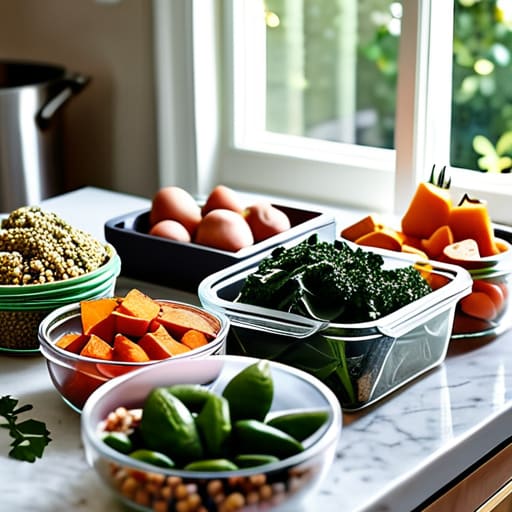
Most people think meal prepping means spending four hours on a Sunday assembly-lining identical plastic containers of chicken and broccoli. That’s a recipe for burnout and food boredom. Instead, I treat my kitchen like a small-scale manufacturing plant: I prep individual components that can be mixed and matched throughout the week. Think of it as building a modular system rather than a rigid schedule.
One-Pan Batch Roasting
When my workspace gets chaotic, the last thing I want to do is scrub five different pots and pans. This is where the heavy-duty sheet pan method becomes my best friend. You just toss your protein, hardy veggies, and maybe some halved baby potatoes onto a large tray with olive oil and salt, then let the oven do the heavy lifting. It’s the ultimate low-effort, high-reward strategy for keeping things healthy when you’re short on time.
The "Big Batch" Soup Strategy
Soup is the most underrated tool in a functional kitchen. It’s incredibly cheap, easy to scale up, and actually tastes better on day three once the flavors have had time to settle. I like to make a massive pot of something hearty—lentil stew, vegetable minestrone, or a spicy chickpea soup—on the nights when I actually have a bit of extra energy. It’s a way to turn cheap staples into something that feels substantial.
Sauce as a System
If you find yourself getting bored with your healthy meals, the problem usually isn’t the food—it’s the lack of variety. I’ve learned that you can eat the exact same base of greens and grains all week if you change the flavor profile using homemade sauces. Instead of buying expensive, sugar-laden bottled dressings, I spend ten minutes whisking together a few basic emulsions.
Breakfast on Autopilot
Decision fatigue is real, and it usually hits hardest in the morning. I try to remove “what am I eating for breakfast?” from my mental load entirely. I’m a big fan of overnight oats or chia seed puddings because they require zero morning effort. You just prep them in jars the night before, and they’re ready to grab as you’re heading out the door or starting your first work block.
Keeping the Momentum
At the end of the day, these five systems aren’t about achieving some unattainable standard of culinary perfection. They are about reducing the number of decisions you have to make when you’re tired, hungry, and staring at an empty fridge at 7:00 PM. Whether you’re batch-cooking grains, prepping versatile proteins, or just keeping a stash of frozen greens on hand, the goal is the same: minimizing friction. By implementing even just one of these methods, you’re effectively building a buffer between your busy schedule and your health. It’s about moving away from the chaos of takeout and toward a predictable, low-effort rhythm that actually works for your lifestyle.
Don’t feel like you need to overhaul your entire kitchen this weekend. That’s a recipe for burnout, and frankly, it’s a waste of your limited free time. Just pick one thing—maybe it’s just chopping some veggies or boiling a batch of eggs—and see how it feels. Real stability comes from these small, repeatable wins that eventually become second nature. You don’t need a massive kitchen or a huge budget to take control of what you eat; you just need a system that serves you instead of adding more weight to your shoulders. Start small, stay consistent, and let the system do the heavy lifting.
Frequently Asked Questions
How do I keep these meals from tasting like cardboard by Thursday?
The “cardboard” problem usually happens because you’re overcooking everything on Sunday. By Thursday, that chicken is basically leather.
Is it actually cheaper to prep this way, or am I just spending more on groceries upfront?
It’s a valid concern. If you’re buying specialized “meal prep” ingredients, you’re definitely losing money. The goal isn’t to shop for recipes; it’s to shop for components. I focus on versatile staples—bulk grains, versatile proteins, and seasonal produce. You spend more at the register initially, sure, but you stop the “emergency” $25 takeout orders when you’re too tired to cook. It’s about trading a slightly higher grocery bill for a much lower lifestyle cost.
What’s the best way to prep if I only have a tiny kitchen with one burner and no real counter space?
If you’re working with one burner and zero counter real estate, stop trying to cook full meals. You can’t multitask a stir-fry and pasta at the same time. Instead, lean into “component prepping.” Use your one burner to cook a big batch of grains or a protein, then let them cool on a single cutting board. Focus on assembly rather than cooking—think canned beans, pre-washed greens, and rotisserie chicken. Minimize the heat, maximize the assembly.