
Stress-free Moving: How to Make Your Next Transition Easier
I still remember sitting on a milk crate in my first studio apartment, surrounded by a mountain of half-taped boxes and the smell of stale coffee, wondering why I’d spent my entire savings on “premium” moving services that didn’t actually save me any time. Most of the advice you find online is just a way to sell you more plastic bins or expensive specialty services you don’t actually need. I’m tired of seeing people treat relocation like a high-stakes lifestyle event instead of what it actually is: a logistical puzzle that can drain your bank account if you aren’t careful. You don’t need a professional organizer; you just need a better way to manage your stuff.
I’m not here to give you a list of generic moving tips that involve buying color-coded labels and custom crates. Instead, I want to share the low-friction systems I’ve built over the years to keep my budget intact and my sanity preserved. We’re going to focus on small, repeatable actions—like the “one-box-a-night” rule—that prevent the chaos from becoming overwhelming. My goal is to help you move with minimalist utility, ensuring that once you arrive, your new space feels like a home rather than a storage unit.
Table of Contents
Decluttering Before Moving to Protect Your Sanity
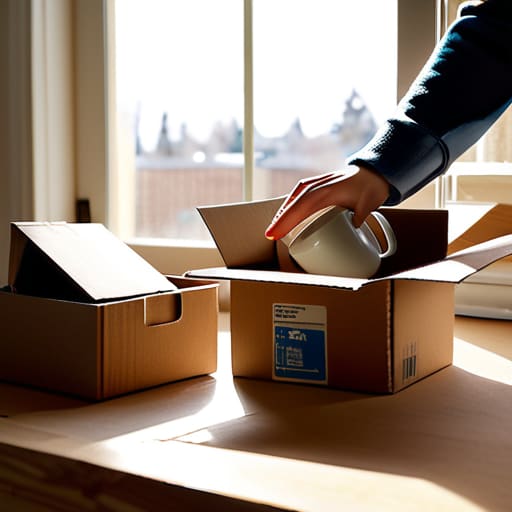
The biggest mistake I see people make is treating their move like a giant game of Tetris with stuff they don’t even like. If you try to pack every single piece of junk you’ve accumulated over the last three years, you aren’t just wasting time; you’re literally paying to move trash. Decluttering before moving isn’t about being a minimalist monk; it’s about logistics. If you haven’t touched that broken lamp or those crusty kitchen gadgets in six months, let them go. Every item you toss now is one less box you have to carry, tape, and eventually unpack in a new space.
I like to use a “three-pile system” to keep things moving: keep, donate, or trash. Don’t let yourself get stuck in a loop of nostalgia while staring at a pile of old cables. Be ruthless. By thinning out your belongings early, you’ll find that budgeting for a move becomes much easier because you’re buying fewer boxes and potentially less truck space. It’s a small, repeatable win that prevents that overwhelming feeling of drowning in bubble wrap when you should be focusing on your new setup.
A Relocation Planning Timeline That Actually Works
Most people treat a move like a sudden emergency, which is exactly how you end up spending three times more than you planned. To avoid that, you need a relocation planning timeline that is actually realistic. I don’t do “marathon packing sessions” on weekends—they’re exhausting and inefficient. Instead, I break it down by weeks. Six weeks out, focus entirely on the logistics: finalize your budget and start your moving company hiring guide research. This is the time for the heavy lifting of decision-making, not for taping boxes.
Four weeks out, transition into a steady, low-intensity rhythm. This is when you start gathering your packing supplies essentials—think high-quality tape and uniform boxes, not a mismatched pile of grocery store scraps. Aim to pack one specific zone of your apartment every three days. By the time you hit the final week, you shouldn’t be “packing”; you should just be boxing up the last of the essentials. The goal is moving day organization that feels like a controlled transition rather than a chaotic scramble.
Five Systems to Keep Your Move From Becoming a Disaster
- Pack an “Essentials Box” for your first 48 hours. Don’t bury your charger, your toothbrush, or your coffee maker in a random box labeled ‘Kitchen.’ Put them in one clear bin that stays with you in your car. When you’re exhausted at midnight in a new apartment, you shouldn’t have to hunt through twenty taped-up boxes just to find a towel.
- Stop buying expensive moving supplies. Check local Facebook groups or Nextdoor for people giving away free boxes; most people are just desperate to get rid of them. If you do buy anything, stick to high-quality tape. Cheap tape is a lie that will fail you halfway through a heavy box of books.
- Use a numbering system instead of writing descriptions on every box. Writing “Kitchen – Plates and Bowls” takes too long. Just write a number on the box and keep a digital note on your phone that says “Box 14: Kitchen stuff.” It’s faster, and it keeps the labels from getting messy and unreadable.
- Take photos of your electronics before you unplug them. I’ve spent way too many hours staring at the back of a TV or a sound system trying to remember where the specific cables went. A quick photo takes two seconds and saves you an hour of frustration later.
- Don’t move things you haven’t touched in a year. If you’re paying a mover by weight or paying for a larger truck just to haul old junk, you’re literally paying to move trash. If it hasn’t served a purpose in twelve months, sell it, donate it, or let it go. Your new space deserves a clean slate, not your old clutter.
Moving is a System, Not a Crisis
At the end of the day, moving isn’t about how many rolls of packing tape you buy or how many hours you spend staring at a mountain of cardboard. It’s about the systems you put in place before the chaos hits. By decluttering early, you stop paying to move things you don’t even like, and by following a realistic timeline, you avoid that frantic, expensive midnight scramble for essentials. If you focus on small, repeatable wins—like packing one specific drawer a night or setting a strict budget for the truck rental—you’ll find that the transition becomes a manageable project rather than an all-consuming disaster. Keep it simple, keep it organized, and don’t let the logistics swallow your life.
I know how it feels to stand in the middle of a room full of boxes and feel like you’re losing control. I’ve been there, trying to make a life work with nothing but a few tools and a tight budget. But remember: the goal of moving isn’t just to change your zip code; it’s to set up your next chapter on your own terms. Use this move to build a space that actually serves you, not just a place where you store your stuff. You aren’t just relocating furniture; you are designing your new baseline. Take it one box at a time, and you’ll get there.
Frequently Asked Questions
How do I figure out if it's actually cheaper to hire movers or just rent a truck and do the heavy lifting myself?
Run the math on your physical bandwidth and your time. If you’re renting a truck, you’re not just paying for the rental; you’re paying for gas, insurance, dollies, and the inevitable “oops, I broke the TV” cost. If you have a crew of reliable friends and a massive amount of time, DIY wins. But if you’re working a full week and trying to move on Saturday, hiring movers is an investment in your sanity and your schedule.
What’s the best way to pack fragile stuff without spending a fortune on specialized bubble wrap and boxes?
Don’t go out and buy rolls of plastic you’ll never use again. Most of what you need is already in your recycling bin. Use thick socks for glassware, or wrap plates in your existing kitchen towels and t-shirts. For smaller, breakable items, use crumpled newspaper or even clean egg cartons. It’s about using the volume of what you already own to create cushioning. It costs zero dollars and keeps the waste down.
How do I manage my budget for moving day so those "small" expenses like pizza for friends and extra tape don't spiral?
The “death by a thousand cuts” happens when you treat moving day like a series of surprises. To stop the bleed, set a “miscellaneous” cash buffer of $100—and don’t touch it for anything except actual emergencies. For the social stuff, be upfront: tell your friends you’re providing water and snacks, but if they want pizza, they’re on their own. It’s not being stingy; it’s just keeping your budget from evaporating into thin air.