Tips for Cooking Delicious Meals on a Budget
I grew up watching my mom try to make magic out of a near-empty pantry, and if there’s one thing I learned, it’s that most “budget cooking” advice is absolute garbage. I’m tired of seeing influencers post twenty-step recipes involving “affordable” organic superfoods that actually cost more than a takeout order. Most of these tutorials treat how to cook on a budget like a full-time hobby that requires expensive gadgets and hours of meal prepping on a Sunday. That’s not a system; that’s a second job. If a recipe requires a specialized tool you’ll use once, or a spice blend that costs twelve dollars, it’s not helping you save money—it’s just marketing.
I’m not here to sell you on a lifestyle of deprivation or complex kitchen math. Instead, I want to show you how to build a few repeatable meal loops that use cheap, versatile staples to keep you fed without draining your bank account. We’re going to focus on high-utility ingredients and low-effort systems that actually fit into a busy schedule. No fluff, no wasted ingredients, and zero unnecessary stress.
Table of Contents
Smart Meal Planning for Savings Without the Stress
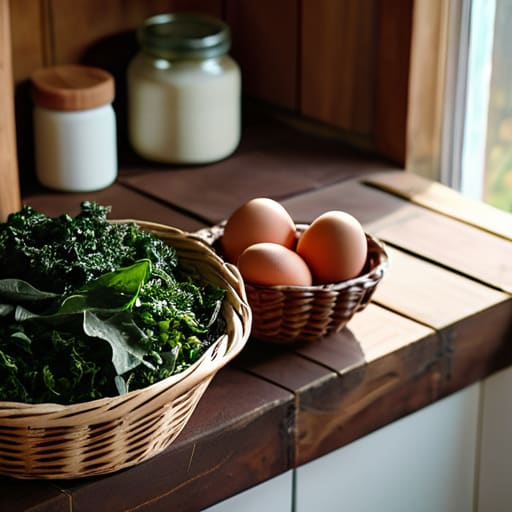
Most people approach meal planning like they’re preparing for a five-course gala, and that’s exactly why they quit by Wednesday. You don’t need a color-coded spreadsheet or a Pinterest-perfect aesthetic. Instead, focus on building a repeatable loop around a few low cost nutritious ingredients—think lentils, oats, eggs, and seasonal greens. If you pick three or four base components that play well together, you stop making decisions from scratch every single night. Decisions are what drain your mental energy and lead to expensive, last-minute takeout orders.
The real secret to meal planning for savings isn’t about restriction; it’s about inventory management. Before you even touch a grocery app, look at what’s already hiding in the back of your cupboard. I always check my dry goods first because reducing food waste is the fastest way to see an immediate bump in your checking account. Use what you have to anchor your plan, then only buy the gaps. This turns your grocery list from a vague “I need food” list into a targeted, surgical strike that keeps your budget intact and your kitchen running on autopilot.
Low Cost Nutritious Ingredients That Actually Taste Good
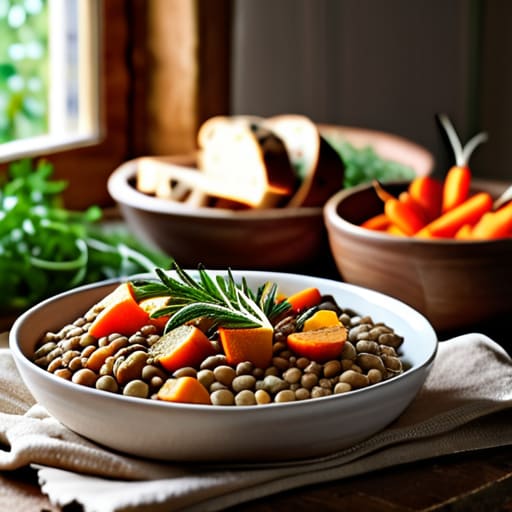
The mistake most people make is thinking “cheap” means “bland.” If you’re just eating plain white rice and steamed broccoli every night, you’re going to burn out and order takeout by Wednesday. The secret to finding low cost nutritious ingredients is focusing on things that have a high “utility-to-price” ratio. I’m talking about dried lentils, canned chickpeas, oats, and frozen vegetables. Frozen greens are a massive win because they don’t rot in the crisper drawer after three days, which is a huge part of reducing food waste.
Don’t sleep on spices and acids, either. A $3 bottle of soy sauce or a jar of cumin can turn a basic bowl of beans and grains into something that actually feels like a meal. I keep a running list of pantry staple recipes—things like lentil dal or spicy chickpea tacos—that rely on these foundational items. You aren’t buying expensive, pre-packaged “health foods”; you’re buying versatile building blocks that you can manipulate to taste however you want. It’s about building a flavor profile, not just filling a stomach.
Five Small Systems to Stop the Money Leak
- Stop buying “pre-prepped” nonsense. I used to pay a premium for bagged salads and pre-chopped onions just to save ten minutes, but that’s a tax on your laziness that adds up fast. Buy the whole head of lettuce and the loose onions. It takes five minutes of prep, but it cuts your grocery bill by a third.
- Build a “Base Ingredient” rotation. Don’t try to learn fifty new recipes every week. Pick three versatile bases—like rice, lentils, or pasta—and learn three ways to flavor each. If you master a basic lentil stew and a spicy rice bowl, you’ve already solved 60% of your weekday dinner problem.
- Shop your own pantry before you hit the store. I keep a running list in my notebook of what I actually have left. There is nothing more wasteful than buying a jar of cumin because you thought you were out, only to find two unopened ones hiding in the back of the cupboard.
- Embrace the “Frozen is Fine” rule. Fresh produce is great when it’s in season, but paying $6 for a punnet of strawberries in February is a losing game. Frozen vegetables are flash-frozen at peak nutrition and they don’t rot in your crisper drawer after three days of neglect.
- Cook for the “Future You.” If you’re already standing over the stove, make double. It is much easier to cook one large batch of protein or grains on a Sunday than it is to face the temptation of ordering takeout on a tired Tuesday night. Treat your leftovers like a gift to your future self.
The Bottom Line
At the end of the day, cooking on a budget isn’t about deprivation or eating nothing but plain rice. It’s about building a repeatable system of smart staples, intentional planning, and low-effort grocery runs that don’t drain your bank account. You don’t need a gourmet pantry or a degree in culinary arts to make this work; you just need to stop letting impulse buys and complicated recipes dictate your spending. Focus on those high-utility ingredients and keep your meal loops simple. Once you automate the boring parts of eating, you stop wasting mental energy on “what’s for dinner” and start seeing the actual math work in your favor.
I know how it feels to look at a grocery receipt and feel like you’ve just been robbed, especially when you’re trying to balance a life that doesn’t come with a safety net. But remember, these small shifts in how you approach your kitchen are meant to serve you, not become another chore on your list. You’re not just saving a few bucks on lentils or seasonal greens; you’re reclaiming your time and your autonomy. Start small, stick to the systems that actually fit your schedule, and let the consistent wins build your confidence. You’ve got this.
Frequently Asked Questions
How do I avoid food waste when I'm buying in bulk to save money?
The trick is to stop thinking about “buying in bulk” as just buying big bags, and start thinking about it as managing inventory. If you buy a massive bag of rice or lentils, you need a system. Get some airtight, stackable containers—don’t just leave them in the original flimsy bags. Also, follow the “First In, First Out” rule: move older stock to the front. If something is nearing its end, make it the star of your next meal.
What’s the best way to prep meals for the week without spending my entire Sunday in the kitchen?
Don’t do “meal prep” in the traditional sense—sitting there for four hours portioning out identical Tupperware is a recipe for burnout. Instead, prep components. Roast a big tray of seasonal veggies, cook a massive pot of grains, and prep one versatile protein. If you have those building blocks ready, you can assemble a different bowl every night in five minutes. It’s about building a modular system, not a marathon cooking session.
How can I keep my meals from getting boring if I'm relying on the same few cheap staples?
The trick isn’t buying new ingredients; it’s changing the flavor profile. If you’re stuck on rice, beans, and eggs, stop treating them like a static meal. One night, it’s a Mexican-style bowl with lime and hot sauce; the next, it’s a savory stir-fry with soy and ginger. Invest in a few versatile spices—smoked paprika, cumin, or garlic powder. They take up zero space but turn the same three staples into something entirely different.