Creative Kid-friendly Meals Beyond the Nugget
I grew up watching my mom try to win the “perfect parent” award by spending two hours prepping organic, color-coded bento boxes, only for them to come home half-eaten and rejected. It was exhausting to watch, and honestly, it’s a scam. We’ve been sold this idea that kid friendly meals have to be these elaborate, Pinterest-perfect productions to be considered “good,” but that’s just a recipe for burnout. If a meal takes longer to prep than it takes to eat, the system is broken. You don’t need a culinary degree or a massive grocery budget; you just need a strategy that actually works when you’re tired.
I’m not here to give you a list of twenty-step recipes that require ingredients you can’t find at a standard corner store. Instead, I want to share the low-friction systems I’ve learned for building kid friendly meals that prioritize nutrition without sacrificing your sanity. We’re going to focus on repeatable wins—simple, modular food ideas that keep the peace at the table and keep your kitchen from becoming a disaster zone. No fluff, no performative cooking, just functional food for real life.
Table of Contents
Quick Weeknight Dinners for Families Without the Chaos
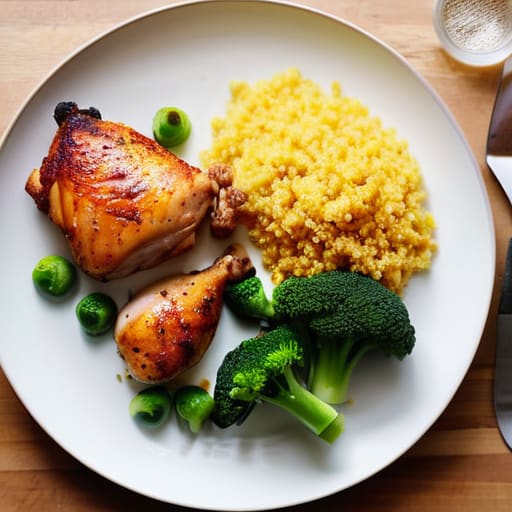
The goal here isn’t to become a gourmet chef by 6:00 PM; it’s to get something edible on the table without losing your mind. I’ve found that the most sustainable quick weeknight dinners for families rely on a “modular” approach. Instead of a complex recipe with twenty steps, think in components. A tray of roasted chicken thighs, a pile of steamed broccoli, and a batch of quick couscous can be assembled in under twenty minutes. If your kids are in that picky phase, don’t fight it—just deconstruct the meal. Serve the components separately on a plate so nothing touches. It’s a small tweak, but it removes the immediate friction of a dinner-table standoff.
For the days when you’re truly running on fumes, lean into hidden vegetable recipes for kids to bridge the nutritional gap. A simple marinara sauce blended with sautéed carrots and zucchini can be poured over pasta in minutes. It’s low effort, high reward, and it keeps the system moving. You aren’t aiming for perfection; you’re just building a reliable routine that keeps everyone fed and lets you actually sit down for five minutes of peace.
Easy Meal Prep for Busy Parents to Reclaim Evenings
Most people think meal prep means spending your entire Sunday in a cloud of flour and steam, staring at Tupperware. That’s a recipe for burnout, not efficiency. I prefer a “component” approach. Instead of cooking full meals, I prep individual building blocks—a batch of roasted sweet potatoes, a tray of shredded chicken, or a big bowl of washed greens. This makes assembling easy meal prep for busy parents less about following recipes and more about assembling parts. When you have these ready, a Tuesday night dinner becomes a five-minute assembly job rather than a frantic search for something edible.
The real win, though, is thinking ahead for the morning rush. If you’re already chopping veggies for dinner, go one step further and toss some extra cucumbers or bell peppers into a container. This covers your healthy snacks for school or those inevitable mid-afternoon hunger pangs without a second thought. It’s about creating a buffer of readiness so that when the chaos of the day hits, you aren’t starting from zero. Keep it simple, keep it modular, and let the system do the heavy lifting for you.
The Low-Friction Approach to Getting Kids Fed
- Build a “Modular Plate” system. Instead of making a specific recipe, prep components: a protein, a starch, and a veggie. If they don’t like the way the broccoli is cooked, they can swap it for a raw carrot without you having to cook a second meal.
- Stop fighting the “new food” battle every night. Stick to a predictable rotation of five reliable meals. Knowing what’s for dinner on a Tuesday reduces your mental load, and kids crave that predictability.
- Use “bridge ingredients.” If your kid likes plain pasta, don’t jump straight to a heavy veggie sauce. Introduce a tiny bit of parmesan or a mild pesto first. It’s about small, incremental wins, not a culinary revolution.
- Master the “One-Pot” rule. If a meal requires more than two pans, it’s too much work for a weeknight. Focus on sheet pan dinners or big batches of chili that you can reheat. Less cleaning means more actual downtime.
- Deconstruct everything. If you’re making tacos, don’t assemble them for the kids. Put the shells, meat, cheese, and beans in separate piles on their plate. It gives them a sense of control and prevents the “everything is touching” meltdown.
Final Thoughts on the Kitchen System
At the end of the day, feeding a family shouldn’t feel like a second job or a constant battle of wills. We’ve looked at how a few quick weeknight rotations and some low-effort prep can take the edge off that 6:00 PM panic. The goal isn’t to become a gourmet chef or to spend your entire Sunday hovering over a stove; it’s about building a sustainable rhythm that works for your specific household. Whether it’s a fifteen-minute pasta dish or a batch of pre-cut veggies, these small, repeatable wins are what keep the chaos at bay and ensure everyone actually gets fed without you losing your mind in the process.
I grew up watching my mom try to do it all, and if there’s one thing I learned, it’s that the most important part of a meal isn’t the complexity of the recipe—it’s the sanity of the person serving it. Don’t let the pursuit of a “perfect” dinner sabotage your ability to actually sit down and breathe. Focus on the systems that serve your life, not the other way around. If you can keep the kitchen functional and the kids fed with minimal friction, you’ve already won the day. Keep it simple, keep it consistent, and let the rest go.
Frequently Asked Questions
How do I handle picky eaters without making a separate, complicated meal just for them?
Stop playing chef for a crowd of one. When you cook a separate meal for a picky eater, you’re just doubling your dishes and your mental load. Instead, try the “deconstructed” method. Serve the components of the meal separately on the plate—protein here, starch there, veg in another spot. It gives them autonomy over what touches what without you having to fire up a second pan. It’s not a compromise; it’s just a smarter system.
What are some ways to sneak more nutrition into these simple meals without turning dinner into a battleground?
Don’t try to hide vegetables under a mountain of cheese; that just teaches kids to hunt for them. Instead, integrate them into the base. Blend sautéed carrots or red peppers into marinara sauce, or finely grate zucchini into taco meat. It changes the texture slightly, but the flavor stays consistent. Think of it as upgrading the ingredients rather than performing a magic trick. It’s about subtle fortification, not a culinary standoff.
How can I keep these meals cost-effective when grocery prices are constantly shifting?
Stop trying to shop a rigid list; that’s how you end up buying overpriced specialty items just because they’re on your “plan.” Instead, shop the sales and build your meals around what’s actually cheap that week. If chicken is pricey but ground turkey is on sale, swap it. I always stick to a “base ingredient” strategy: buy versatile staples like rice, beans, or seasonal veggies in bulk, then let the weekly discounts dictate the flavor.