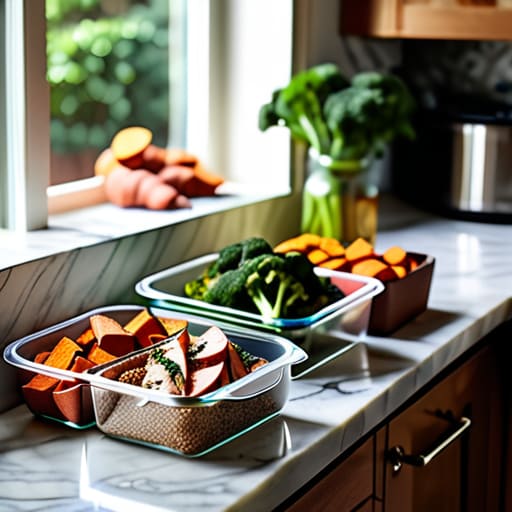
Stress-free Make-ahead Meals for Busy Weeknights
I used to think that “meal prepping” meant spending my entire Sunday hunched over a kitchen island, surrounded by twenty identical plastic containers and a mountain of Tupperware that I’d inevitably have to wash later. It felt less like a way to save money and more like a second unpaid job. Most of the advice out there makes it seem like you need a culinary degree and a massive amount of free time just to avoid ordering takeout on a Tuesday. But honestly? Most of those elaborate recipes for make ahead meals are just recipes for burnout.
I’m not here to sell you on a lifestyle that requires you to sacrifice your only day off to the gods of efficiency. Instead, I want to show you how to build a low-maintenance system that actually works for a real schedule. We’re going to focus on modular cooking—simple, repeatable wins that keep your fridge stocked without turning your kitchen into a factory. My goal is to help you master functional eating so you can spend your time doing things you actually enjoy, rather than just managing your chores.
Table of Contents
Budget Friendly Meal Prep Without the Sunday Scaries
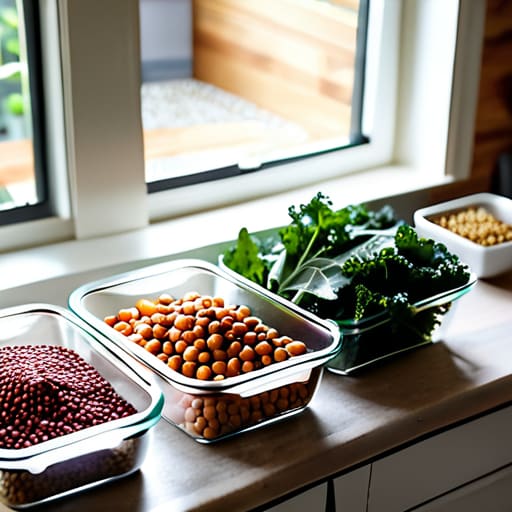
The biggest mistake I see people make is treating meal prep like a high-stakes culinary competition. You don’t need a gourmet spread; you need a survival strategy that doesn’t drain your bank account. I started focusing on budget friendly meal prep by looking at my pantry first rather than a grocery list. Instead of buying specialized ingredients for one-off recipes, I buy versatile staples—grains, legumes, and seasonal greens—that can be repurposed across three different meals. It’s about building a modular system where the ingredients overlap, so you aren’t wasting money on half-used jars of sauce that eventually die in the back of your fridge.
To avoid that overwhelming feeling on a Sunday evening, stop trying to cook five different recipes. Pick one base protein and one grain, then vary the flavors with different spices or dressings. This is where investing in a few decent meal prep containers for storage actually pays off; if your food is organized and easy to grab, you’re far less likely to cave and order expensive takeout when you’re tired. Keep it simple and repeatable so the process feels like a tool, not a chore.
Healthy Meal Prep Ideas That Dont Require Chef Skills
You don’t need to be a line cook to eat well during the week. Most people fail at this because they try to recreate complex, five-star recipes that leave them with a mountain of dishes and a sense of defeat. Instead, I focus on the “component method.” Think of it as building blocks: roast two trays of seasonal vegetables, cook a large batch of a versatile grain like quinoa or farro, and prep a simple protein like seasoned chicken or chickpeas. When you have these basics ready, you aren’t “cooking” every night; you’re just assembling.
The goal is to find healthy meal prep ideas that rely on assembly rather than intense technique. I usually lean on sheet-pan meals or one-pot stews because they minimize the cleanup. If you’re worried about things getting soggy or tasting like cardboard by Wednesday, invest in decent meal prep containers for storage—glass ones are worth the extra few bucks because they actually keep things fresh and can go straight from the fridge to the microwave. It’s about creating a reliable loop of nutrition that doesn’t require a culinary degree.
Five ways to actually make this work for you
- Stop trying to cook five different recipes. Pick one grain, one protein, and two veggies, then just vary the sauces throughout the week. It’s much easier on your brain and your grocery bill.
- Invest in decent, airtight containers. I learned the hard way that cheap plastic makes everything taste like the leftovers from last Tuesday. If the seal is good, the food stays fresh longer.
- Don’t prep everything at once. If the thought of spending four hours in the kitchen on a Sunday makes you want to nap, just prep your proteins. You can throw a quick salad or some frozen veg together in minutes during the week.
- Use the freezer as your safety net. If you realize you made too much of a batch of chili or stew, portion it out and freeze it immediately. That’s a “free” meal for a night when you’re too exhausted to function.
- Clean as you go, seriously. There is nothing worse than finishing a “time-saving” meal prep only to realize you have a mountain of dishes that will take an hour to scrub. Wash the cutting board while the onions are sautéing.
The Goal Isn't Perfection
At the end of the day, meal prepping isn’t about having a Pinterest-perfect spread of identical glass containers lined up in your fridge. It’s about the small, practical wins we talked about—knowing you have a decent meal ready when you’re too drained to cook, or seeing your grocery bill stay steady because you aren’t panic-buying takeout. Whether you’re focusing on low-cost staples to keep your budget intact or keeping things simple with recipes that don’t require a culinary degree, the objective is the same: reducing the friction between you and a functional life. You don’t need to master everything at once; you just need a system that works for your specific schedule.
I used to think that if I couldn’t spend five hours every Sunday prepping, I was failing at being “productive.” I was wrong. Real productivity is about building systems that actually serve your life instead of becoming another chore on an endless to-do list. Start small. Pick one meal, one ingredient, or one afternoon to test a new rhythm. If it fails, tweak it and move on. The goal isn’t to become a chef; it’s to reclaim your time so you can focus on the things that actually matter, whether that’s fixing up an old synth or just finally getting some decent sleep.
Frequently Asked Questions
How do I keep my food from getting soggy or tasting like "fridge air" by Wednesday?
The “fridge air” thing is real—it’s basically just your food absorbing moisture and odors from everything else in there. First, let your food cool completely before sealing the lid; trapping steam is how you get soggy leftovers. Second, invest in decent glass containers. They seal tighter than cheap plastic and don’t hold onto old smells. Finally, keep your sauces separate. Mix them in right before you eat, not the night before.
What’s the best way to store these without spending a fortune on matching glass containers?
Don’t fall for the aesthetic trap of buying a matching 20-piece glass set. It’s a massive upfront cost you don’t need. Honestly, just hit up a local thrift store or look on Facebook Marketplace. You can usually snag a bunch of decent-sized glass containers for pennies. If you’re buying new, just stick to one size or shape so they stack better in your fridge. Function over matching sets, every single time.
How much can I actually prep in advance before the quality starts to tank?
Look, there’s no point in prepping a week of meals if you’re eating soggy, sad leftovers by Wednesday. For most things, the sweet spot is three days. Proteins and cooked grains hold up well in that window. If you’re prepping veggies, keep them raw and chop them ahead of time—don’t cook them until you’re actually ready to eat. It’s better to do a small batch every few days than to waste money on food you can’t stomach.