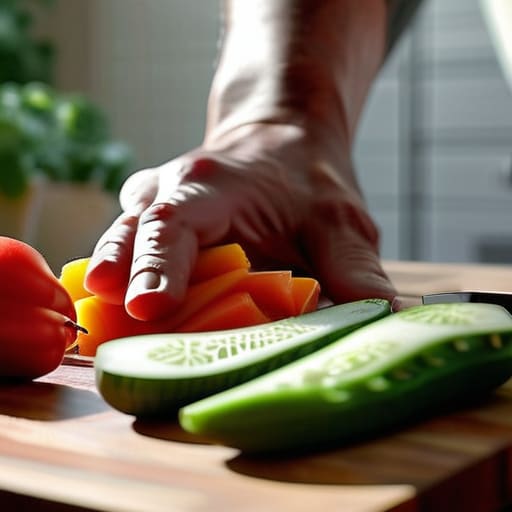
Speed Up Your Veggie Prep While Staying Safe
I used to think that “meal prepping” meant spending my entire Sunday afternoon hunched over a cutting board, surrounded by a mountain of plastic containers and a sink full of dirty knives. I’d watch these lifestyle influencers on TikTok turn vegetable chopping into a high-production aesthetic event, but in my cramped apartment, that just felt like a second job I didn’t sign up for. The truth is, most advice on how to prep vegetables is designed for people with unlimited time and a massive kitchen, not for those of us trying to balance a freelance schedule with a life that actually matters.
I’m not here to give you a recipe for a lifestyle you can’t maintain. Instead, I want to show you a low-friction system that actually works for real people. We’re going to focus on small, repeatable wins—like prepping only what you need for the next 48 hours—so you can keep your kitchen organized without feeling like a slave to your groceries. This is about building a routine that serves your life, not one that forces you to spend your only free evening staring at a pile of carrots.
Table of Contents
Mastering Knife Skills for Vegetables Without the Stress
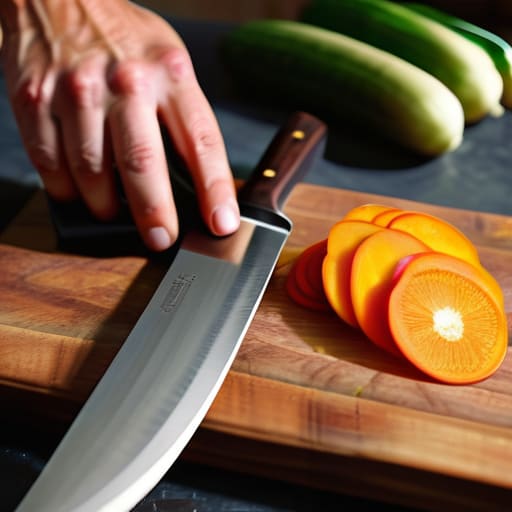
Look, you don’t need a professional chef’s knife set to get this right, but you do need one decent, sharp chef’s knife. I learned the hard way that using a dull blade is a recipe for frustration and, frankly, a trip to the ER. When you’re working on knife skills for vegetables, the goal isn’t to make everything look like a Michelin-star garnish; it’s about consistency. If your carrots are all different sizes, they’ll cook at different rates, and you’ll end up with some mushy bits and some raw ones. That’s just wasted food.
Focus on the “claw grip.” Tuck your fingertips in and use your knuckles to guide the blade. It feels weird for the first ten minutes, but once it clicks, you stop thinking about your hands and start thinking about the task. This is a core part of meal prep for beginners because once you stop fighting the knife, the whole process stops feeling like a chore. It becomes rhythmic. Just keep your cuts uniform, stay focused, and don’t rush. The speed comes naturally once the technique is solid.
Essential Kitchen Tools for Veggie Prep That Actually Work
You don’t need a professional chef’s setup or a drawer full of gadgets you’ll use once. In fact, most of that stuff is just clutter. If you’re looking for the right kitchen tools for veggie prep, start with a heavy-duty cutting board that doesn’t slide around. I learned the hard way that a flimsy plastic board is a recipe for a slipped knife and a ruined dinner. Get something substantial—wood or heavy-duty rubber—that stays put. Pair that with a single, sharp chef’s knife. If your blade is dull, you’re not saving time; you’re just working harder and risking a cut.
Beyond the blade, invest in a few high-quality glass containers. Forget the cheap plastic ones that stain and warp; glass is better for keeping vegetables fresh longer and won’t leach chemicals into your food. I also swear by a simple microplane for zesting or grating ginger and garlic on the fly. It’s small, easy to clean, and fits into a minimalist setup without taking up half your counter space. Keep it simple, keep it functional, and stop buying tools just because they look cool on social media.
Five ways to prep without turning your kitchen into a crime scene
- Don’t prep everything at once. The “Sunday Meal Prep” trap usually ends with a fridge full of soggy, sad carrots by Wednesday. Just prep what you need for the next 48 to 72 hours so the texture actually stays decent.
- Group by usage, not by vegetable. If you know you use onions, peppers, and celery for almost every base, chop them all together and keep them in one container. It’s one less decision to make when you’re hungry and tired.
- Use the “Dry Method” for greens. If you’re washing kale or spinach, make sure they are bone-dry before they hit the container. If they’re damp, they’ll rot in a day. I use a salad spinner, but honestly, just laying them out on a towel works too.
- Invest in decent containers, not just random Tupperware. Get a few glass containers with airtight seals. It keeps things fresher longer and, frankly, it makes looking into your fridge feel less like a chore and more like a system that’s actually working.
- Keep a “scrap bin” on your counter. While you’re chopping, toss onion skins, carrot ends, and herb stems into a single bowl. At the end of the week, dump it in a freezer bag for stock. It’s zero extra effort and keeps your trash from smelling.
Stop Overthinking the Prep
At the end of the day, you don’t need a professional chef’s setup or a perfectly choreographed Sunday ritual to eat better. It’s about the basics: having a knife that doesn’t dull halfway through a bell pepper, understanding that consistency matters more than precision, and realizing that you don’t have to chop everything in sight to be “prepared.” If you have a sharp blade, a decent cutting board, and a handful of pre-cut staples waiting in the fridge, you’ve already won half the battle. The goal isn’t to turn your kitchen into a second job; it’s to remove the friction between being hungry and actually eating something decent.
Don’t let the idea of “meal prepping” intimidate you into doing nothing. If you only have ten minutes to chop an onion and some carrots before you head out the door, do that. Small, repeatable wins are what keep a system running without burning you out. Build your prep around your actual schedule, not some idealized version of a person who spends four hours every Sunday in an apron. Focus on the utility of the task, keep your tools ready, and let the rest take care of itself. You’re building a life that works for you, not a kitchen routine that drains you.
Frequently Asked Questions
How do I keep my chopped veggies from turning into a soggy mess in the fridge?
The biggest mistake is thinking “sealed” means “safe.” If you put damp, freshly chopped carrots in a plastic bag, you’re just making a miniature swamp. Moisture is the enemy. After chopping, spread them on a paper towel to air-dry for a few minutes before storing. Use glass containers if you can—they breathe better—and throw a fresh dry paper towel in the bottom of the jar to soak up any stray condensation. Keep it dry, keep it crisp.
Is it actually worth buying those pre-cut containers, or am I just throwing money away?
Honestly? Most of the time, you’re just paying a “convenience tax” for air and plastic. If you’re buying pre-cut onions or peppers every week, you’re burning money that could go toward better ingredients or your savings. Stick to the basic glass or BPA-free containers you already have. Only buy the pre-cut stuff if you’re having a genuinely brutal week and that’s the only way you won’t end up ordering takeout.
How much of this should I actually do on a Sunday versus just doing it as I go during the week?
Don’t fall into the “meal prep trap” where you spend four hours on Sunday just to feel productive. If you try to chop everything at once, you’ll end up with a fridge full of soggy, sad carrots by Wednesday.