Take the Guesswork Out of Dinner With Better Meal Planning
I used to think that learning how to meal plan meant spending my entire Sunday afternoon standing over a steaming pot, prepping twenty identical Tupperware containers like some kind of culinary prisoner. I grew up in a house where we didn’t have the luxury of “aesthetic” organic produce or three-hour slow-cooker recipes; we had a tight budget and a tiny kitchen that felt like it was closing in on me. The internet makes it look like a hobby for people with too much time and a massive pantry, but for most of us, that kind of rigid scheduling is just a fast track to burnout.
I’m not here to sell you on a lifestyle you can’t maintain. Instead, I want to show you how to build a low-maintenance system that actually respects your time and your bank account. We’re going to skip the complex spreadsheets and the expensive specialty ingredients. My goal is to give you a practical framework for how to meal plan that focuses on repeatable wins—small, manageable shifts that keep you fed and organized without turning your kitchen into a second full-time job.
Table of Contents
Low Effort Meal Prep for Beginners Who Hate Cooking
Most people fail at meal prepping because they try to turn their Sunday into a professional kitchen shift. They buy twenty different ingredients, cook five complex recipes, and end up exhausted by 7:00 PM. That isn’t a system; it’s a chore. If you want to actually succeed with meal prep for beginners, you need to stop thinking in terms of recipes and start thinking in terms of components.
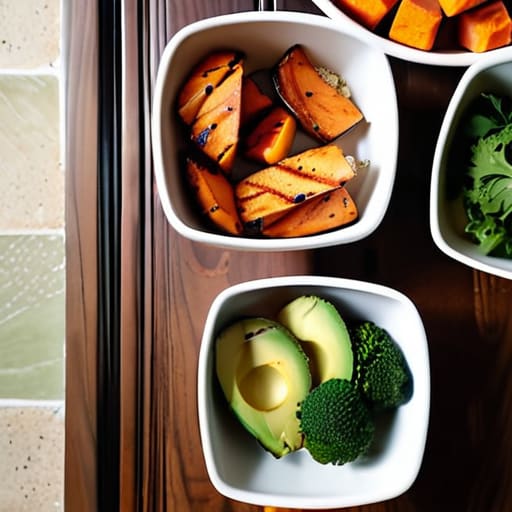
Instead of making a specific “Lemon Herb Chicken Pasta,” just cook a large batch of chicken, a pot of rice, and roast two trays of seasonal vegetables. This is the core of budget friendly meal planning: versatility. When you have these basic building blocks sitting in your fridge, you can assemble a bowl in three minutes. On Monday, it’s chicken and rice with soy sauce; on Tuesday, it’s the same base with some hot sauce and avocado. You aren’t “cooking” every night—you’re just assembling. This approach removes the decision fatigue that usually leads to expensive, last-minute takeout orders.
Budget Friendly Meal Planning That Protects Your Bank Account
The biggest mistake I see people make is treating the grocery store like a free-for-all. When you walk in without a plan, you aren’t just buying food; you’re buying impulse decisions that eat your savings alive. To make budget friendly meal planning actually work, you have to flip the script. Instead of deciding what you want to eat and then shopping for it, look at what is actually on sale or what you already have in the back of your pantry. If lentils are half-price this week, that’s your protein base. Build the meal around the price tag, not your cravings.
This is where weekly grocery list organization becomes your best friend. I keep a running list in my notebook of the staples I always need—rice, beans, frozen greens, eggs—so I never wander aimlessly down the snack aisle. By sticking to a strict list and shopping the perimeter of the store, you avoid the “convenience tax” that kills most budgets. It’s not about deprivation; it’s about intentionality. You’re just making sure your money goes toward fuel that actually keeps you going, rather than expensive, packaged junk that leaves you hungry an hour later.
5 Ways to Stop Overthinking Your Food
- Build a “Core Rotation” of five meals you can cook in your sleep. Don’t reinvent the wheel every Tuesday; pick five reliable, cheap, and easy recipes and just cycle through them. It removes the decision fatigue that usually leads to expensive takeout.
- Shop your pantry before you hit the store. I’ve spent way too much money on pasta when I already had three boxes hiding in the back of the cupboard. Check what you actually have, then build your list around those staples.
- Use the “Component Method” instead of full recipes. Instead of cooking elaborate meals, just prep a big batch of grains, a roasted tray of veggies, and a protein. You can mix and match them differently each night so you don’t feel like you’re eating the exact same thing every single day.
- Stop aiming for perfection. If your plan says “Grilled Salmon and Asparagus” but you’re exhausted, a bowl of cereal or toast is a valid way to stay on track. The goal is a system that survives your bad days, not a rigid schedule that breaks the moment you’re tired.
- Keep a running “Grocery List” in your notes app. The second you use the last of the olive oil or realize you’re low on eggs, write it down. If you wait until you’re standing in the aisle to remember what you need, you’re going to end up buying things you don’t need and forgetting the essentials.
Stop Aiming for Perfection
At the end of the day, meal planning isn’t about becoming a gourmet chef or spending your entire Saturday prepping Tupperware containers like a robot. It’s about building a framework that prevents the “what am I going to eat?” panic at 7:00 PM on a Tuesday. We’ve talked about keeping your prep low-effort, protecting your bank account by shopping with intent, and choosing systems that actually fit into your real, messy life. If you can master even just one of these small habits—like picking two go-to breakfasts or buying one extra bag of frozen veggies—you’ve already won. The goal is to build a system that serves you, not a chore list that makes you want to order takeout out of spite.
I know it feels like one more thing to manage when you’re already juggling a job and a life, but remember that consistency beats intensity every single time. You don’t need a complete kitchen overhaul to see the benefits; you just need to start small and stay realistic. Don’t let the fear of doing it “wrong” stop you from doing it at all. Focus on those small, repeatable wins that keep your apartment running and your stress levels low. You’ve got this. Now, go grab that notebook, write down three things you actually like eating, and start there.
Frequently Asked Questions
How do I keep my meals from getting boring if I'm eating the same basic ingredients every week?
The trick isn’t buying more groceries; it’s changing the way you season them. I call it the “modular approach.” If you’re buying the same chicken, rice, and greens every week, don’t change the base—change the profile. One night it’s soy sauce, ginger, and sesame; the next, it’s cumin, lime, and chili flakes. Keep a small stash of diverse spices and acids (like vinegar or hot sauce) on hand. Different flavors, same low-effort shopping list.
What do I do when my schedule completely falls apart and I can't follow the plan I made?
When the plan hits the fan, stop trying to “catch up.” That’s how you burn out. Instead, pivot to your “Emergency Tier.” This is a pre-set list of zero-effort meals—think frozen dumplings, canned beans and rice, or even just toast and eggs. Don’t feel guilty about skipping the complex recipes you planned. The goal isn’t perfection; it’s just staying fed without breaking the bank or your sanity. Just reset tomorrow.
How much actual time should I be setting aside for prep so I don't end up feeling overwhelmed?
Don’t fall for the “Sunday Scaries” trap where you spend five hours hovering over a stove. If you’re starting out, aim for a 60-minute window once a week. Use that time for high-leverage tasks: chopping onions, boiling eggs, or portioning grains. If you try to cook every single meal from scratch on day one, you’ll burn out by Wednesday. Build the habit in small, manageable chunks that fit into your actual life.